Repurposed

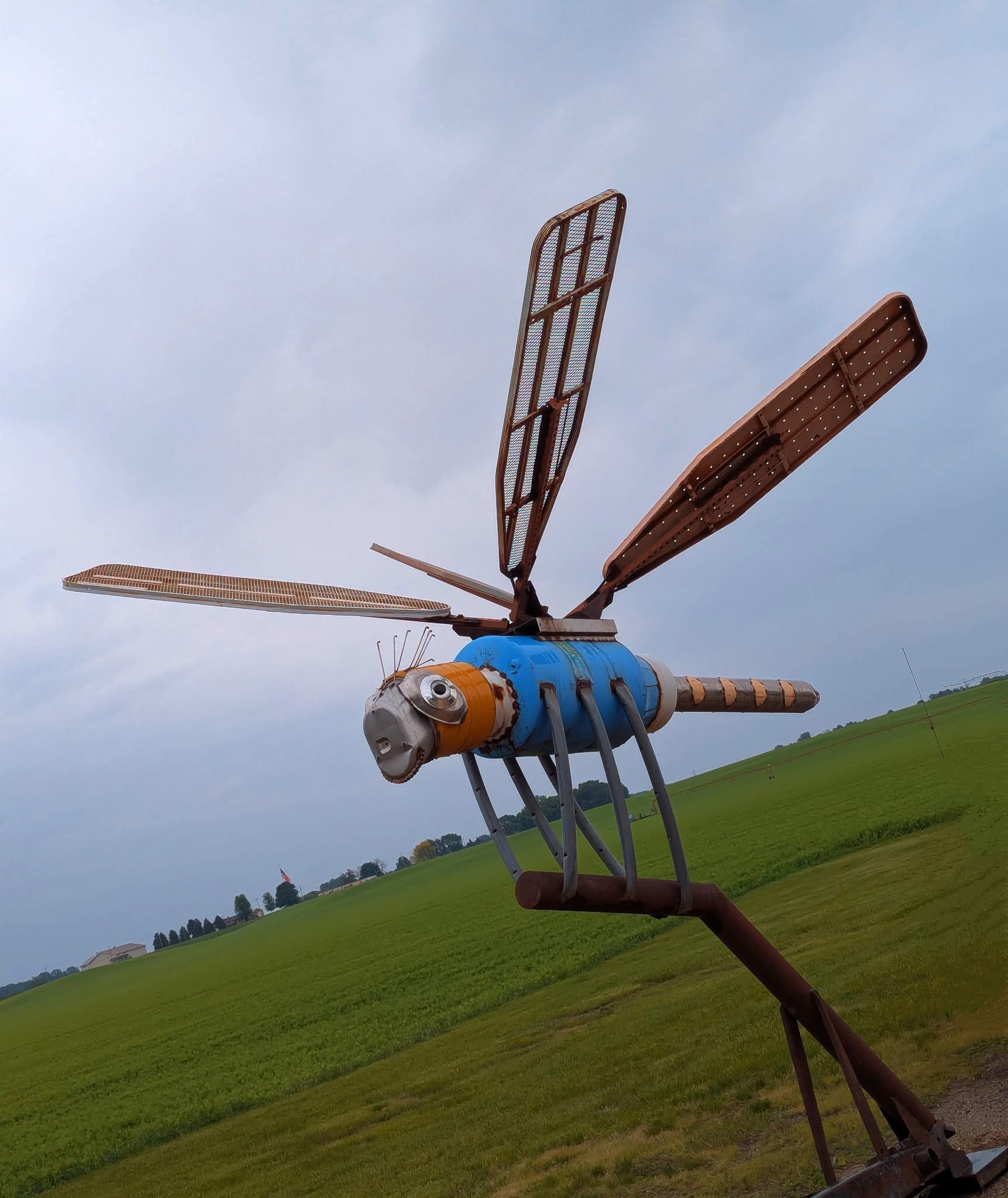
It all began when my husband came home from a trip to New York City with a dragonfly lamp. Since then I have accrued quite a collection. Not just dragonfly lamps, but dragonfly stuff! I have necklaces, bracelets and pins, purses and shirts, bookmarks and magnets, and other various dragonfly doodads. Even my checkbook features dragonflies. I have a ‘thing’ for dragonflies! So when I was visiting my daughter in Hastings, MN and saw this unusual sculpture of a dragonfly I had to take a picture:

The man who created this work of art used scrap metal and other old materials to make something special and unique. He gave something that had been discarded a new purpose!

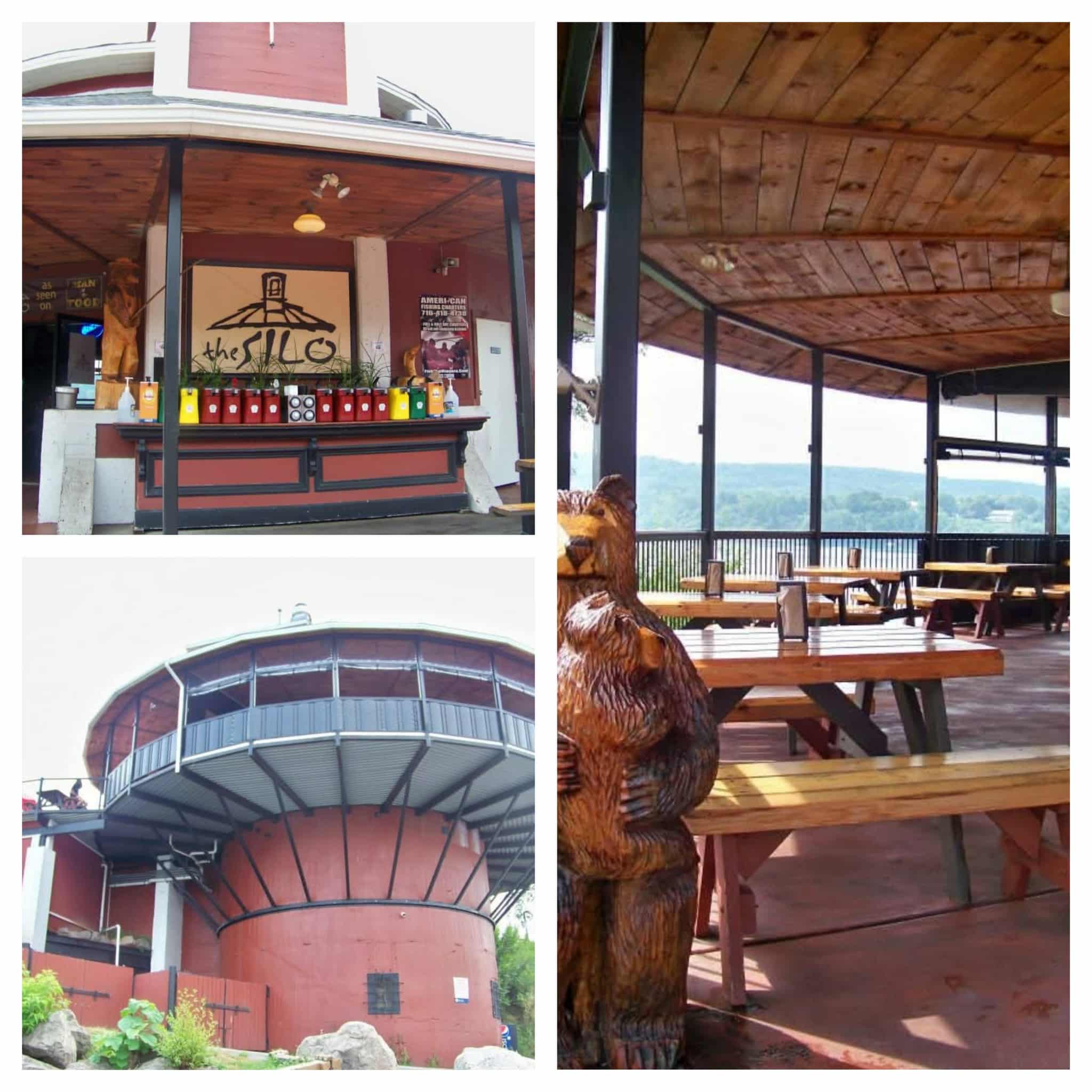
There is a restaurant in Lewiston, NY located by the Niagara River called The Silo. It’s called that because that is what it is. (Or should I say was?) Back in the1930’s the area was popular because of The Great Gorge Railway and the silo held the coal that fueled the trains. With the demise of the railroad, the silo lost its purpose. But someone had an idea and turned it into something wonderful! When I recently had lunch there, I picked up a pamphlet about the restaurant and discovered that much of the seating in the restaurant was made from old refurbished church pews.

The last line of the pamphlet reads: “The Silo itself, and the old train caboose now serving as the ice cream bar, have been rescued, recycled, and repurposed!” I like that word ‘repurposed’.

Sometimes life gives us the unexpected. And when it does, the unexpected can change the direction of our life or bring us to a dead end where we are left with questions and uncertainty. When the unexpected is a tragedy or difficulty, we may feel betrayed or discarded or lost. When the job we relied on is suddenly gone or the position we expected is given to another, we spend restless days and nights in worry. When a physical affliction or a dreaded disease strikes, we fret with fear and anxiety. When we lose a loved one and our life is forever changed, we wonder if it’s even possible to go on. And in all of this is the underlying question: What do I do now?

In the past few years my situation has changed and my role in life has been disrupted. With the death of my husband who had served as a pastor, I not only lost my mate, but I lost my role, my position and my home. At times I felt unneeded, useless and even discarded. It seemed I had lost my purpose in life. Have you ever felt that way? Like maybe you’re obsolete, like a piece of scrap metal or an empty silo.

In his book, What If It’s True, Charles Martin makes this beautiful observation, “The sovereign hand of God leaves me shaking my head, but gives me great hope. In His economy, nothing is wasted.” NOTHING IS WASTED!! What does this mean? He always has a use for you. He can take the scraps of your life and give them a purpose. When you think your purpose in life is over, He can and will give you a new purpose. You can be repurposed!

Romans 8:28 is a familiar verse: And we know that all things work together for good to those that love God, to those that are the called according to His purpose. Notice that phrase according to His purpose. Not only does He work things out for good, but He does it with purpose. We can trust that God still has a use for us, no matter the circumstances. He gives us purpose! It’s a comfort to know that we still have purpose, but it is also a responsibility. We need to discover that purpose and pursue it! I focus on this one thing: forgetting the past and looking forward to what lies ahead, I press on… (Philippians 3:13,14-NLT)

Your life isn’t about what you’ve done.
It’s about what you’re doing.
–Bassa Mawen

If you would like to be notified of future posts, please subscribe below:
I Like You!

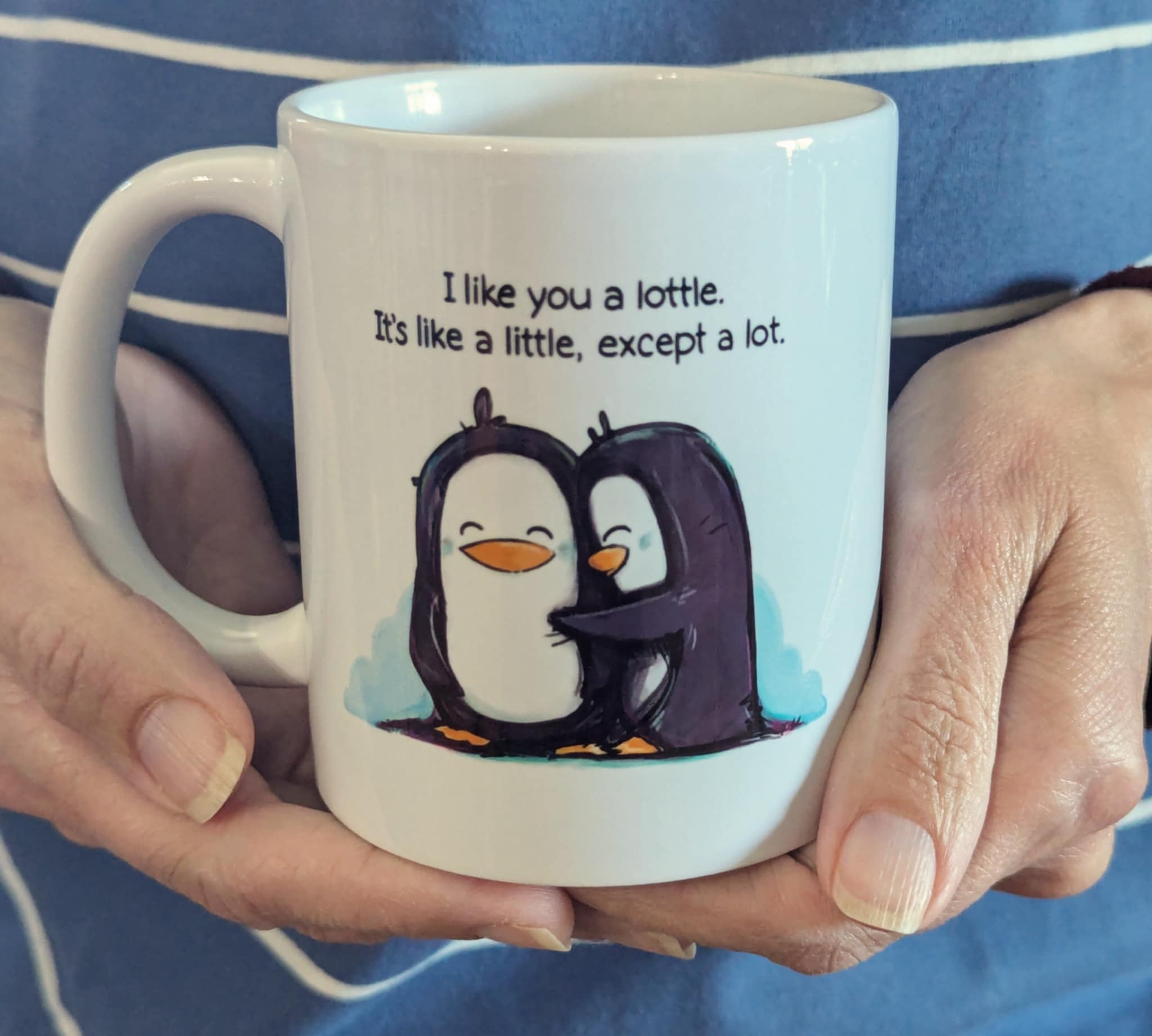
Some of my grandchildren live far away from me, so I don’t get to see them very often. We do have frequent video chats and those calls end with blowing kisses and their exuberant voices saying, “I love you, Grandma!” But not too long ago I was able to make a trip to visit with some of those distant grandchildren. One day, while I was there, I was surprised when my four year old granddaughter leaned against me, softly touched my arm, and whispered, “I like you.” Now that made me feel special!

Love is seen as the stronger emotion. The Bible tells us “the greatest of these is love”, and God Himself is love. We are instructed to love one another, to love our neighbors, and to love our enemies. This kind of love looks beyond the other person’s faults. It has been said that we love someone ‘in spite of’ and that we like someone ‘because of’. This is not necessarily a bad thing. Liking someone because we have common interests and similar values leads to friendship.

Just as we all need to be loved, we also want to be liked. This is why young people follow fads and strive to be popular. It’s why people of all ages succumb to peer pressure. We want to be accepted and liked.

Fred Rogers recognized this innate desire we all have and tried to meet that need on his children’s program. He wrote and sang this little song:

It’s you I like,
It’s not the things you wear,
It’s not the way you do your hair–
But it’s you I like
The way you are right now,
The way down deep inside you–
Not the things that hide you,
Not your toys–
They’re just beside you.
But it’s you I like–
Every part of you,
Your skin, your eyes, your feelings
Whether old or new.
I hope that you’ll remember
Even when you’re feeling blue
That it’s you I like,
It’s you yourself,
It’s you, it’s you I like.
–Fred Rogers

But to like someone you actually have to know them. Frequently during my marriage, I would look at my husband with a smile and tell him that I liked him. I loved him in so many ways, but I also genuinely liked him. I enjoyed being with him and laughing together. He wasn’t just my spouse, he was my friend. We don’t often tell people that we like them. It’s actually easier to say ‘I love you’. After all, we’re supposed to love everyone, right? I’ve had people who don’t really know me tell me they love me. But to tell someone you sincerely like them seems a bit more awkward. (I’m not sure why that is the case. Perhaps it’s because that phrase is often associated with childlike infatuation. That’s not what I am talking about!) It might be difficult to literally say ‘I like you’ to your friend, but there are other ways that we can express our feelings to those we care about. And we should!

When my oldest grandson was a little guy, he looked at me one day and said, “Thank you, Grandma, for being Grandma.” More recently, when I was struggling to do some little task by myself and didn’t want to ask for help, this same grandson, who is now an adult, scolded me for not asking him to help me. When I explained that I get tired of having to bother people, he exclaimed, “Grandma, you’re not a burden!” What was he telling me? He was letting me know he likes me.

To know we are accepted, appreciated and liked is a treasure. It gives us a sense of value and improves our self-image. There’s a children’s ditty that says, “Nobody likes me, Everybody hates me, I guess I’ll eat some worms…” This silly song actually has a message. The person who feels estranged from everyone and thinks that nobody likes them struggles with liking themselves. They might as well eat worms!

Not everyone will like us–and we won’t like everyone! We are not intended to. We don’t need to seek everybody’s approval nor do we need to be friends with all the people we know. But if there is someone who means a lot to you, who you appreciate, who you enjoy, and who you simply like as a person, don’t be afraid to let them know! The sentiments my grandchildren expressed to me have stuck with me. They have stayed in my heart. Who knows what your words of encouragement might mean to your friend?

A sweet friendship refreshes the soul.
–Proverbs 27:9 (MSG)

If you would like to be notified of future posts, please subscribe below:
A Lesser Role?

Do you read the credits that are shown at the end of a movie? Most people don’t. And sometimes the words are so small and they scroll by so fast you couldn’t read them if you wanted to! At the beginning of every movie, sometimes even before the title is given, larger credits are displayed announcing the actors who are playing the lead roles, as well as the directors and producers. These are the important people! But those in a lesser role and those who work behind the scenes are acknowledged at the end. People don’t care too much about them, and yet, without them there would be no film. A lesser role is not an unimportant role.

A well-known phrase in the acting world declares “There are no small roles, only small actors.” It emphasizes the importance of every role in a play or film. No matter the size of the role, an actor needs to perform it with dedication and diligence. The seemingly insignificant can have great impact. This is true in life as well.

When Jonathan Groff, an actor on Broadway, accepted his Tony Award for Best Actor in a Musical, among the people he acknowledged and thanked was his seventh grade teacher! She was the one who first saw his potential and encouraged him to try out not just for his school’s productions but also for roles in their local theater. What an impact this woman who was simply a teacher had on his life!

Ordinary people have greater influence than we often realize. Consider this quote, which is the last sentence in the book Middlemarch by George Elliot.

…the growing good of the world is partly dependent on unhistoric acts; and that things are not so ill with you and me as they might have been, is half owing to the number who lived faithfully a hidden life, and rest in unvisited tombs.

I have often wondered about Andrew. Andrew was one of Jesus’ disciples. He was also Peter’s brother. In fact, it was Andrew who told Peter about Jesus. But it was Peter who became part of the inner circle that stayed close to Jesus. Not Andrew. It was Peter who was commissioned to lead the church. Not Andrew. It was Peter who preached in the book of Acts and authored two of the epistles. Not Andrew. Andrew had a lesser role. But if it wasn’t for Andrew, where would Peter be?

Back in the 1930’s, an evangelist named Mordecai Ham held meetings in Charlotte, NC. A farmer in the area loaded up his truck with neighbors every evening and transported them to the services. One of those neighbors was a teenage boy who heard the sermons and finally responded to the message. That boy was Billy Graham. We might credit the evangelist with the impact he had on Billy’s life as well as all those lives that Billy Graham reached with the Gospel. But what if there had not been the farmer?

The day will come when Jesus will give the rewards, and He makes no mistakes, although some people may wonder how you came to merit such a reward, as they had never heard of you before.
–Streams in the Desert

Sometimes we feel overshadowed by people more important than us. We feel small and inadequate and surrounded by those who are bigger and better than us. But our contribution to this world and to those around us is not measured by fame and wealth, or leadership and personality. God has a different standard and a more accurate perspective than we do. Jesus made this clear when he admonished his disciples by telling them, “Anyone who wants to be first must be the very last and the servant of all.” (Mark 9:35) We need to remember it’s not about recognition nor is it even about a heavenly reward. It’s about being all we are meant to be, doing whatever we can, shining our light in whatever role God has placed us–even if we think it’s a lesser role!

…God has put each part just where He wants it…
In fact, some parts…that seem weakest and least important are actually the most necessary.
–1 Corinthians 12:18,22 (NLT)

If you would like to be notified of future posts, please subscribe below:
Is an Invalid Invalid?

I like to read and I read a lot. Recently I have been reading The Librarian of Saint-Malo. Set in France in the early 1940’s, the main character is suffering from tuberculosis. Early in the book, she makes the statement, “Staying home tended to make me feel useless and invalid.” I stopped and read that sentence several times. Was she saying that staying in made her feel like an invalid or was she saying it made her feel invalid, as in unnecessary? Perhaps the author intended it to be a play on the word, giving it a double meaning. It was this sentence that led me to ask the somewhat nebulous, but thought-provoking question:

Is an invalid invalid?

The word ‘invalid’ has two different pronunciations and more than one meaning. As a noun it refers to one who is sickly or severely disabled. But as an adjective it refers to something that is ‘not valid’, meaning it is without legitimacy and is of no consequence. If something is invalid it has no purpose and is useless, no longer needed. So is an invalid invalid? Do they have purpose and do they have value?

I was twelve years old when I was admitted to the PA State Hospital for Crippled Children. (This hospital no longer exists and it was okay to use the term ‘crippled’ back then.) I was placed in a ward that held about thirty girls with varying degrees of disabilities. My bed was next to a girl who was not only physically disabled, but she was severely mentally challenged as well. She could not walk or talk, so she sat in her bed, rocking back and forth while making disturbing sounds of groaning and whining. She also had the habit of biting herself. I was warned that she might try to bite me. She was a big girl and I was afraid. Did this girl have any value?

One might think a girl like that would be forsaken and forgotten, but she wasn’t. Her family came to visit her and they loved her. They gave her value. She was also a child of God, created by Him and for a purpose. It might be hard for us to see any purpose in a life like that, but as disabled as she was, her existence was a valid one. I think maybe part of her purpose was to affect me. My fear turned to concern and compassion. My heart became more tender because of her.

Is the elderly mother with dementia who has forgotten the names of her children and thinks her son is her husband no longer a person of value? Is the man who fought many battles and was considered a hero, but is now too weak to crawl out of bed simply to be forgotten and neglected? Does that person who has grown into an adult, but mentally is still a little child have no worth? Has society labeled them:

God doesn’t see people like we do. He views things from another perspective. His value system is different than ours. Jesus told His disciples that the first would be last. He instructed them that if they wanted to be the greatest then they needed to be the least. In 1 Corinthians we are told that God uses the foolish to confound the wise. And God told Moses that He was the One who created the blind and the deaf and the dumb. We place our value and validation on our abilities, our appearance, our intelligence. God doesn’t. The people we disdain, mock or neglect may actually be some of God’s greatest treasures.

All have their worth and each contributes to the worth of the others.
–J.R.R. Tolkein

If you would like to be notified of future posts, please subscribe below:

Struggling with Suffering

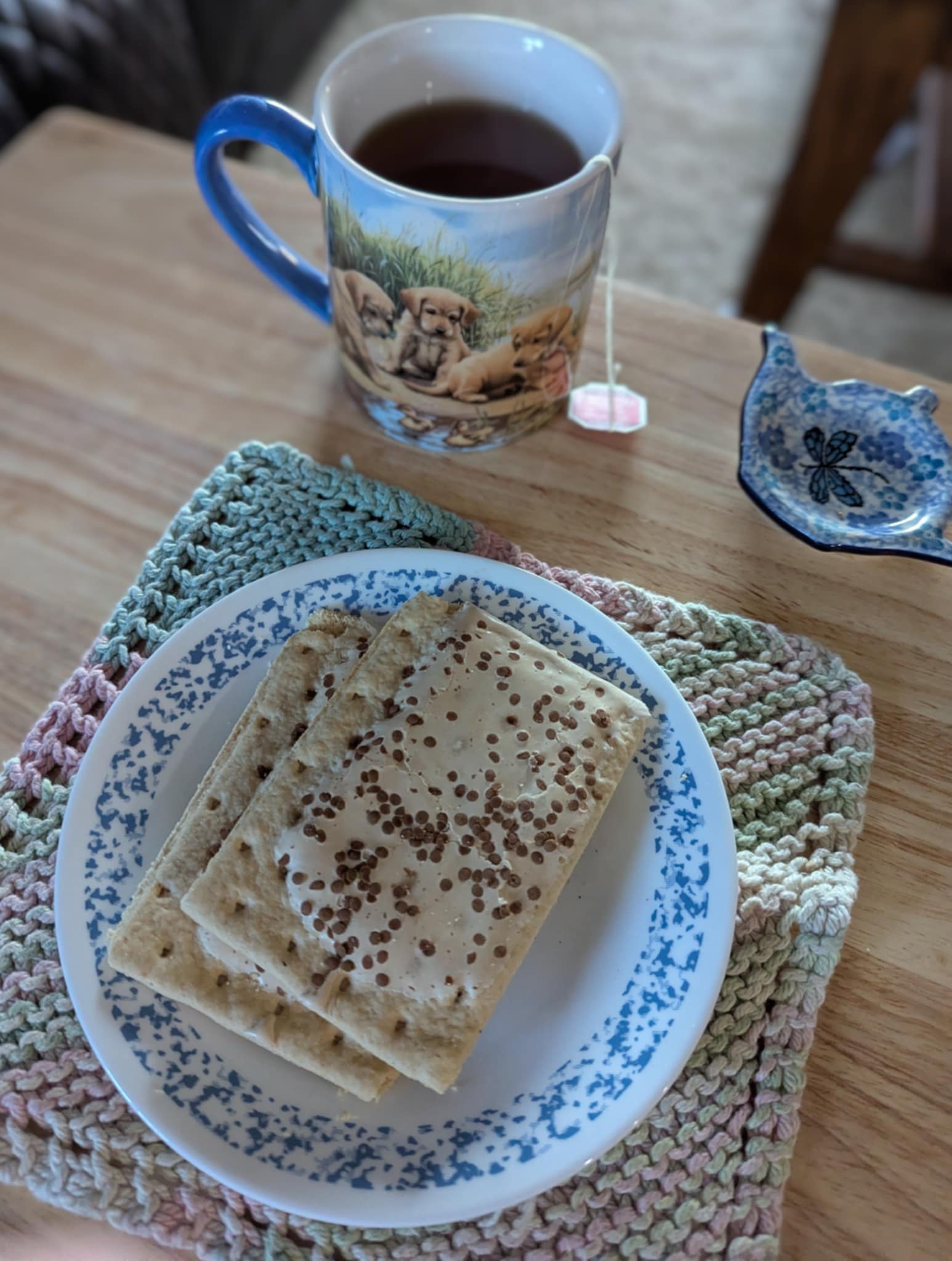
I wanted Pop-Tarts for breakfast, but I had a problem. The Pop-Tarts were kept on top of the refrigerator along with all the breakfast cereal and I couldn’t reach them. No one was home to help me, but the box was near the front so maybe, just maybe, I could figure out a way to get them. I stood up out of my wheelchair and leaned against the refrigerator for balance. Reaching up, I stretched my arms as far as I could, but I couldn’t even touch the box. So I figured it was time to get my grabber tool that helps me get things that are out of my reach. But it didn’t quite work. This time as I tried to maneuver my arm up toward the elusive box of Pop-Tarts, the added weight of my grabber made it difficult for me to raise it high enough. I plopped back down in my wheelchair. I was tired of the struggle. In fact, I was so upset I actually cried in frustration. Let me clarify. It wasn’t the lack of Pop-Tarts that was upsetting me, it was my lack of ability. Things I used to be able to do I no longer can. As my hands and arms have weakened and lost some mobility, my way of life has changed and it isn’t always easy. So on this particular morning I gave in to the struggle. But as I sat there venting my frustration by sobbing, I heard a little voice in my head say, “Is this helping?” And when I admitted to myself that it wasn’t, just like that the frustration and self-pity were gone! And I had to smile at my own foolishness. I realized some years ago that frustration doesn’t help the situation, it only makes me unhappy. But sometimes I forget!

Recently I came across this thought provoking question:

In this season of difficulty, are you wasting your suffering?
–from Seasons of the Woman’s Heart

What kind of question is that?! What does it mean? I understand the concept of wasting time and wasting money and wasting food, but what does it mean to waste suffering? To waste something means that we are not using something properly. It implies that the thing being wasted has value and a purpose. And there it is! Suffering has purpose. And this is part of the struggle we have with suffering. We don’t always understand the reason behind it, and we ask the question, “Why?” How is it even possible that something so hard, so painful, so devastating can have a beneficial purpose?

The Bible reveals several reasons for our suffering. It might be God seeking to get our attention and to draw us to Himself. Sometimes it is God working to improve our character or to build up our faith. The purpose may be to use us to touch someone else’s life or to bring God glory. But the real struggle with suffering isn’t about discovering the cause or the reason. The more urgent question is how will we respond to it. Will we be victorious in our suffering?

The whining, murmuring pang never does anybody any good.
–from Streams in the Desert

I am reminded of Joni Eareckson Tada, well-known quadriplegic, who has touched thousands not just with her testimony and talent, but also with her delightful demeanor and dedication to the Lord. Then there is Nick Vujicic, a preacher without arms or legs, who inspires many with his courage and humor. Evangelist Dorsey Ross, born with Apert Syndrome, encourages others to “overcome life’s obstacles”. These are just a few examples of what victorious suffering can accomplish!

The Bible instructs us to respond to our suffering with joy. We cringe at the thought! It doesn’t seem logical or possible. Not only does Scripture tell us to “rejoice always” and “in everything give thanks”, it also says this:

Dear brothers and sisters,when troubles of any kind come your way, consider it an opportunity for great joy.
–James 1:2 (NLT)

Perhaps one reason we are to respond with joy is because the Bible encourages us in Nehemiah 8:10 by declaring, “the joy of the Lord is your strength”!

Amid manifold trials, souls which love God will find reasons for bounding, leaping joy.
–from Streams in the Desert.

Does this mean we are always happy? No. Does it mean we never battle our emotions and struggle with frustration? No. (Remember my ordeal with the Pop-Tarts!) But it does mean we can reach up to God and tap into the joy we find in Him!

We are pressed on every side by troubles, but we are not crushed. We are perplexed, but not driven to despair. We are hunted down, but never abandoned by God. We get knocked down, but we are not destroyed.
–2 Corinthians 4:8,9 (NLT)

(In case you are wondering…I did have my Pop-Tarts the next morning when my daughter was there to get them down for me! Not a very healthy breakfast, I know, but I was quite happy.)

If you would like to be notified of future posts, please subscribe below:

Open Doors

When Willow comes to visit, we make sure all the doors are closed. My great granddaughter is an exuberant and active toddler. And she loves open doors. When a door is open, she’s ready to check it out! So the pantry door and cupboard doors, the bathroom door and bedroom doors are all kept closed. But if I go to my room when she is around, as soon as I open that door, she is right there with me, looking forward to going through it! To her an open door is an invitation and an opportunity. And indeed it is!

J. Wesley Clark was a minister. When he heard about a very small church in a very small town that needed a pastor, he and his wife decided to take a drive to see exactly where this church was located. As they drove past the church building, they noticed the front door of the church was wide open. God spoke to their hearts, That open door is for you. I was eleven years old when our new pastor shared his experience with us, and it has stayed with me. I loved the fact that God used a literal open door to show this man the open door waiting for him in his future.

The Lord opened a door of opportunity for me.
–2 Corinthians 2:12

There is a wide-open door for a great work here!
–1 Corinthians 16:9

There are several wonderful doors mentioned in the Bible. In the Old Testament book of Hosea, God sets before his people a “door of hope” and in the book of Acts there is offered to us a “door of faith”. But most exciting of all is when Jesus Himself declares: “I am the door. If anyone enters by Me, he will be saved.”-John 10:9 These doors are not locked and barred. They are an invitation from God Himself to all of us. An open door for us to enter.

The doors that lead us to God are of utmost importance. We don’t want to neglect them! But we have other open doors set before us as well. Doors of opportunity and direction. Will we go through them with confidence? Or does fear hold us back from something that God has planned for us? As we look for guidance in our daily living, we need to check out those open doors.

Sometimes open doors may be hard to recognize. We get so focused on one direction, our own ideas and set plans, that we miss the other opportunities available to us. When hard times come our way and circumstances are not to our liking, we keep looking at the door that is shut instead of finding another door that just might be open!

Often we look so long at the closed door that we do not see the one that has been opened for us.
–Helen Keller

I hope that Willow keeps her enthusiasm for open doors. That as she grows older she will continue to look for the adventure that is on the other side of that door. For that matter, I want that kind of attitude, too! I don’t want to miss out on an adventure or overlook an opportunity by failing to go through an open door that God has put in front of me. How about you?

If you would like to be notified of future posts, please subscribe below:
I Don’t Want To!

Moving isn’t easy. When my daughter and her family moved from New York to Minnesota, my granddaughter struggled. The day they left, they came to see me one more time and to say their goodbyes. My seven year old granddaughter clung to me and whispered imploringly in my ear, “I don’t want to!” I responded with “I know” and I assured her that it would be okay.

Sometimes I don’t want to either. I have had to move several times. The more difficult moves were leaving the churches and the people my husband and I had pastored to go to a new place of ministry. I remember on one occasion sobbing in the car and tearfully saying, “I can’t believe it’s over!” –the equivalent of saying, “I don’t want to.” But the most difficult move of all was when my husband unexpectedly passed away. I had to leave the home and life we had shared, and go on without him. My heart silently shouted, “I DON’T WANT TO!”

I’m not talking about the “I don’t want to” that is a defiant declaration of rebellion and stubbornness, but rather the cry that comes from fear and anxiety. Sometimes we are faced with changes in our lives that are out of our control and we just don’t know how we can go on. The loss of a spouse, the death of a child, a change in employment, or a dreaded diagnosis can lead us to despair and desperation. And we just don’t want it to be true!

But there is Someone we can go to, cling to, and cry to. We can lean into the arms of God and freely tell Him, “I don’t want to.” And He will respond with a gentle, “I know.” But with God there is more!! He not only understands and comforts, He goes with us!! If we lean on Him and trust in Him, He promises to be with us and to help us. No matter the circumstances or changes we are facing, God is right there, too!

Do not be afraid or discouraged.
For the Lord your God is with you wherever you go.
–Joshua 1:9 (NLT)
For God has said, ‘I will never fail you. I will never abandon you.’ So we can say with confidence, ‘The Lord is my helper, so I will have no fear.’
–Hebrews 13:5,6 (NLT)
Be assured, if you walk with Him and look to Him and expect help from Him, He will never fail you.
–George Mueller

If you would like to be notified of future posts, please subscribe below:

Falling Leaves and Bare Branches

The popular Christmas song It’s the Most Wonderful Time of the Year has a line in it that declares, “It’s the hap-happiest season of all.” But apparently that’s not actually true. Statistically, America’s most favorite season of the year is autumn. There’s something about the sweater weather, pumpkin spice everything, and the colorful fall foliage that people really appreciate and enjoy. But I am not one of those people. I have a tendency to view autumn as an omen of what is to come–a long cold, snowy winter.

I must admit that this year the fall season was especially enjoyable. It was warm, sunny and bright. The leaves seemed more colorful than usual with varying shades of red and orange and golden yellow.

This tree was absolutely beautiful! But then something happened! The colorful leaves did not stay. One by one they fell to the ground until nothing remained on the tree. All that was left on the tree were bare branches. Not so pretty now, is it?

Photos by Eva Marie Husted

Why do the leaves have to fall off anyway? I did a little research. Obviously, they fall for a reason. Without getting into all the science behind it, simply stated, it’s for the sake of the tree and in preparation for that cold and snowy winter that lies ahead. Without the leaves, the tree is able to retain the water it needs during the winter months which reduces the amount of energy the tree needs to survive. And those bare branches are no longer weighted down with leaves and are able to withstand the snowfalls that come with the winter season. Even the fallen leaves serve a purpose as they give nutrients to the soil. Barren seasons do have purpose.

Every season has its purpose. Ecclesiastes 3:1 tells us, “To everything there is a season, a time for every purpose under heaven.” And verse 11 declares, “He [God] has made everything beautiful in its time.” But let me clarify. Certainly this is true of the seasons found in nature, but more importantly it is also true concerning the seasons of our individual lives. This chapter in Ecclesiastes gives us a glimpse of some of the seasons we encounter in living.

A time to be born, and a time to die; a time to plant, and a time to pluck up what was planted; a time to kill, and a time to heal; a time to break down and a time to build up; a time to weep, and a time to laugh; a time to mourn, and a time to dance; a time to cast away stones, and a time to gather stones; a time to embrace and a time to refrain from embracing; a time to gain, and a time to lose; a time to keep, and a time to throw away; a time to tear, and a time to sew; a time to keep silence, and a time to speak; a time to love, and a time to hate; a time of war, and a time of peace.
–Ecclesiastes 3:2-8

Some seasons of life are easier than others. It is difficult to see the purpose or benefit of a “barren season” in life. When we face loss and sorrow, we feel stripped bare and vulnerable. Like the bare branches of a tree, our foliage has fallen off and we feel exposed and ugly and useless. What good can there possibly be in this horrible time of life?! Could it be that God is preparing us for a season yet to come? Could it be He is actually strengthening us or even protecting us? Our difficult seasons are made easier to bear when we learn to trust that God is working in our lives for a purpose and for our benefit.

In her book, Anonymous, Alicia Britt Chole makes a similar comparison. Referring to the silver maple that grows in her yard she writes:

Bare, her lean limbs can support the coming snow and ice. But that weight would be too much for her frame in all its fullness. Lighter is better for the deep work of winter.
So she bows. She bends. She surrenders to thinning and in doing so thickens her foundation for an even more glorious summer to come.
In the same way, submission to God’s seasons will be our saving strength. To resist thinning is to risk collapse. The future is weighty, capable of
crushing the unprepared.

As we go through the barren seasons of our life, there is a calm assurance that comes when we trust God, knowing He is always faithful to provide strength and grace in our time of need, knowing He is always working on our behalf even in those times of great loss. Only God knows what the future holds and He lovingly prepares us for the next season of our life.

A poem to ponder:

A Measure of Grace

Deciduous trees are finally “baring it all” in defiance of the coming winter.
Soon they’ll be stark naked, without leaves on their branches to catch any frigid gusts.
True, they might freeze—I’ve seen it happen before—but this baring removes much of the potential risk of broken limbs, along with other things that might hinder
Their successful passage through the cold, through the long nights, through the blind icy thrusts
That seem to come from everywhere in the darkest time of the calendar here in the northern half of the world.
It’s those blind icy thrusts that I and all of us need to learn not to fear.
They’re the unexpected moments for which the deciduous trees, and we, need to prepare in order to find new buds, new chances, new vistas unfurled
That we may not even understand at first but will be revealed to us as this creaky old year
Stumbles fitfully away and a new one crawls in on hands and knees, not yet able to speak but with its message in its tiny little hands tightly curled.
It’s waiting to pass that message to us at the appropriate time, in the appropriate way, in the appropriate place…
Provided we’ve rested, healed, learned the lessons of the blind icy thrusts, embraced the dark, and achieved from doing all that—as most deciduous trees do—a measure of grace.

by Ben Neideigh

If you would like to be notified of future posts, please subscribe below:

Classic Cars and Restoration

Each year in August the village of East Aurora, NY holds an annual classic car show. Main Street is closed off to traffic for the day and the street is lined with old cars and trucks, most of them beautifully restored. This is a large event and the street is filled with people walking and admiring the numerous entries.

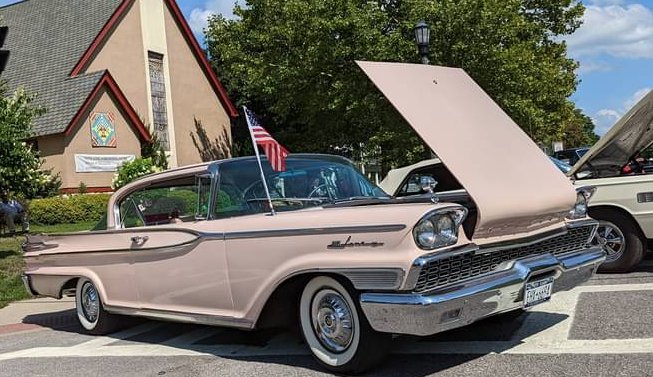
I enjoy going to the show, not only because of the classic cars that are there, but because of the memories they bring to my mind. The old Plymouth Belvedere reminds me of the one my husband owned when we were dating, and the large pink Mercury reminds me of my father. My father was a Mercury man. Whenever he bought a new car, it was always a Mercury. One year he couldn’t decide between purchasing a blue or a pink Mercury, so he discussed it with the family. A vote was taken and the general consensus was “Let’s get blue.” So he went and bought the pink one! The year I saw the gorgeous pink Mercury at the car show, I had to smile and take a picture.

The car show is more special to me now, because my older grandson has an entry in it! Cody owns a 1985 Dodge Ram50 truck that he has restored and made his own. It’s an unusual little truck that is admired by many.

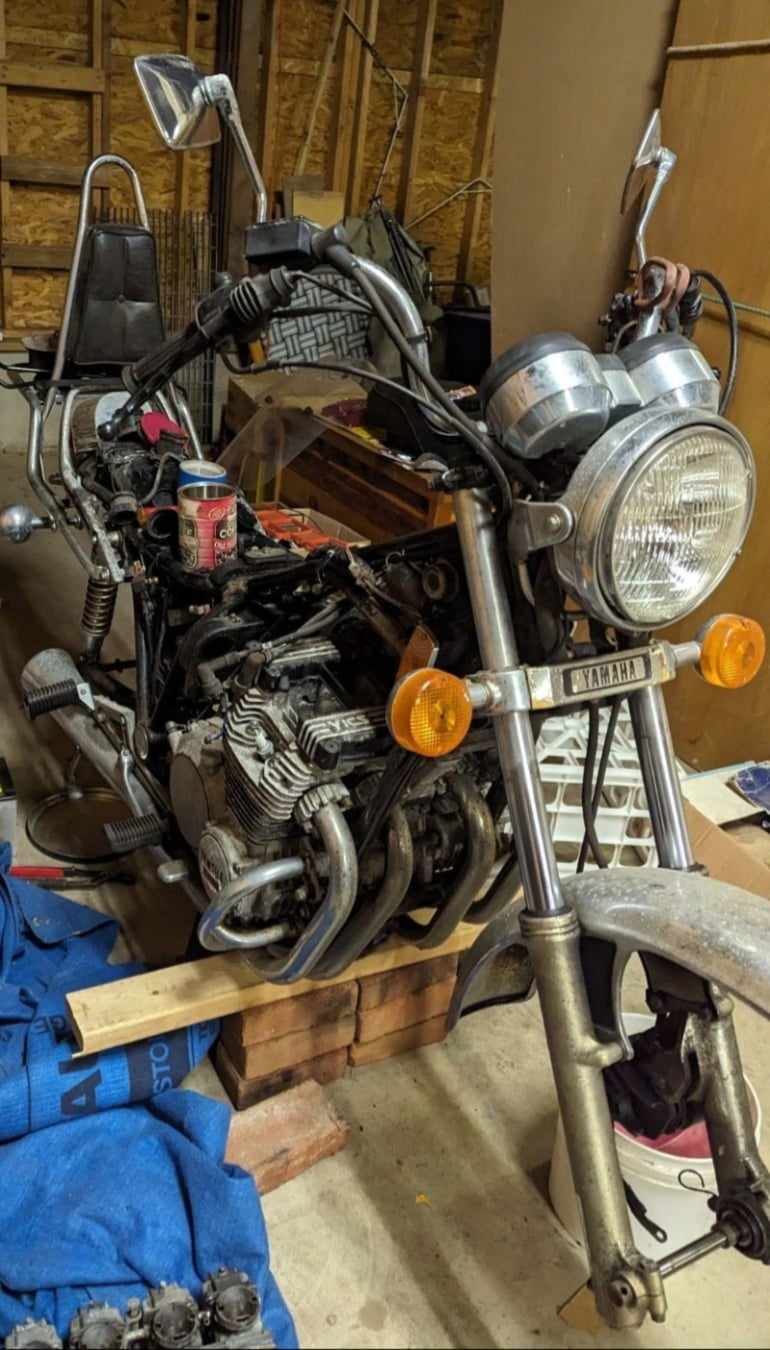
My grandson has a new restoration project. He’s been working on an old motorcycle. He likes sharing his progress with me, showing me the parts he’s gotten and taking me into the garage to see what he’s done. He has sent me a few pictures, too. Look at this!

But that’s not how it looked when he started! It took a lot of work to get it to look like that. At one point in time, Cody’s beautiful red motorcycle actually looked like this:

When Cody is restoring an old vehicle he spends a lot of time exploring junk yards and searching eBay for just the right part he needs. And then comes the struggle of putting it on and making it work. The restoration process takes a lot of time and patience.

I am reminded of a little chorus that was popular when my children were young:

He’s still working on me to make me what I need to be;
It took Him just a week to make the moon and stars,
the sun and the earth, and Jupiter and Mars,
Oh, how loving and patient He must be,
‘Cause He’s still working on me!

Did you know that God is in the restoring business? And He does it with love and patience! One of the greatest things I am thankful for is that God is so patient with me.

Recently I saw a Facebook post that read simply and sadly, “I have failed!!!” I do not know the circumstances behind that statement and I was taken aback by the words. My response to the person who wrote it was, “Haven’t we all.” But this is when God can come into our lives to do the great work of restoration!

First and foremost, God desires to restore our relationship with Him. This is accomplished by a simple act of faith in what has already been done for us!

Since we have been made right in God’s sight by faith, we have peace with God, because of what Jesus Christ our Lord has done for us…our friendship with God was restored by the death of His Son…
–Romans 5:1&10 (NLT)

But this is just the beginning. The restoration process continues because we are an imperfect people. We make mistakes and do wrong things. And sometimes our bad choices have dire consequences, not only messing up our lives, but affecting those around us. We become despondent, and in despair we hang our heads and cry, “I have failed!” Can restoration take place even then?

We tend to think that restoration is getting back what has been lost, but that’s not completely true. When a car is being restored, what is broken must be fixed, but what can’t be fixed needs to be replaced. Broken pieces and ruined parts are forever gone. A restored car is NOT the same car it originally was. With different parts and a new coat of paint, the car has been given a new life. It doesn’t get back the pieces that were ruined. And this is a truth for us as well. Some consequences of our actions can’t be changed. We can’t always go back to what we were or what we had, but we can be restored and given a new life!

Job lost everything. His health, his possessions, his family. But at the end of the story he is restored! His health returns and he has an abundant life. But the possessions and houses that were destroyed are forever gone and so is the family he lost to death. But God blessed him with new possessions and another family. He was restored and given a new life!

King David was a “man after God’s heart” and yet he really messed up! He committed a grievous sin by committing adultery with the neighbor’s wife and plotting to have her husband killed! There were consequences to his misdeeds. He suffered loss. But David knew about the God who restores! His prayer of repentance is found in Psalm 51. In the middle of his prayer, he prays for restoration.

Create in me a clean heart, O God, and renew a steadfast spirit within me. Do not cast me away from Your presence and do not take Your Holy Spirit from me. Restore to me the joy of Your salvation and uphold me by Your generous spirit.
–Psalm 51:10-12

Being restored by God isn’t about what He does for us; it’s more about what He does in us. Remember the line from the 23rd Psalm, “He restoreth my soul.”

We can be assured that God can bring good out of the worst circumstances. We can trust Him to heal the heartache, to mend the broken pieces, and to restore our ruined lives. He can make “something beautiful” out of any mess!

If there ever were dreams
that were lofty and noble,
they were my dreams at the start,
And hope for life’s best were the hopes
that I harbor down deep in my heart.

But my dreams turned to ashes
and my castles all crumbled,
my fortune turned to loss,
so I wrapped it all in the rags of life
and laid it at the cross.

Something beautiful, something good,
all my confusion He understood.
All I had to offer Him was brokenness and strife,
but He made something beautiful of my life.
–Bill Gaither

If you would like to be notified of future posts, please subscribe below:

Growing Up and Getting Older

I recently celebrated my birthday. Usually, with a few exceptions, my birthday celebrations are simple.They always have been. When I was a child my mother would bake a cake, slather it with frosting, put the right number of candles on it and that was about it. I don’t remember getting many presents. (Although there was the year my older, married sister surprised me with a particular, popular style dress that she knew I wanted. Sisters are good at that kind of thing.) But there are two things about my childhood birthdays that I do recall with fondness.

Our family had an unusual tradition of pulling ears on someone’s birthday. We would grab the birthday child’s ear lobe, and gently pull down counting up to their age with each tug of the ear and then with one final prolonged yank of the ear, we would add “and one to grow!” (I tried to implement this activity with my own children, but without success. We opted for playful birthday spankings instead.)

I also remember my father teasing me on my birthday about acting my age. But he did it with a humorous twist, always looking a year ahead of my actual age. For instance, on the day of my tenth birthday he looked at me and announced that now I was almost eleven!! He did this to me every year. This actually had a long lasting, positive effect on me as now I have a tendency to think I am a year older than I actually am, and when I stop to think about it, it’s nice to realize that I am not as old as I thought I was!

Children look forward to their birthdays, not just because of the party and the presents, but they are also excited about being another year older. They want to grow up! Children can’t wait to turn ten, and then they look forward to becoming teenagers. Teenagers long to be young adults and to reach that magical age of twenty-one. They are in anticipation of what privileges await them and what the future has for them. But somewhere between twenty-one and eighty-one, we begin to realize that with each birthday we are no longer “growing up”; we are just getting older. And getting older isn’t always easy.

Ecclesiastes gives a good, but bleak, description of what that means:

So remember your Creator while you are still young before those dismal days and years come when you will say “I do not enjoy life.” That is when the light of the sun, the moon, and the stars will grow dim for you, and the rain clouds will never pass away. Then the arms, that protected you, will tremble and your legs, now strong, will grow weak. Your teeth will be too few to chew your food and your eyes too dim to see clearly. Your ears will be deaf to the noise of the street. You will barely be able to hear the mill as it grinds or the music as it plays, but even the song of the bird will wake you from sleep. You will be afraid of high places and walking will be dangerous. Your hair will turn white; you will hardly be able to drag yourself along, and all desire will be gone.
–Ecclesiastes 12:1-5 (Good News Translation)

So what are we to do about this inevitable process of aging? The whole idea of getting old can be disheartening and discouraging and depressing. How should we respond and act as we are getting older? Cosmetic companies and health gurus urge us to “defy aging”. That may sound good and inviting, but in reality it’s an impossibility. Our bodies do not and will not last forever. There is no elusive, magical fountain of youth. I like the concept of growing old gracefully, but what exactly does that mean? It involves acceptance and attitude. It means doing all we can for as long as we can. It is also the ability to laugh at ourselves and to be joyful and content in difficult circumstances. I recently saw this adage: “Forget about aging gracefully. Focus instead on aging gratefully.” I think the two go together. We need to guard ourselves against becoming grumpy old men and grouchy grannies.

Aging is out of your control. How you handle it though is in your hands.
–Diane Von Furstenberg

Getting old is not without hope and purpose. The Psalmist recognized this when he declared, “I trust in You, O Lord. I say, ‘You are my God.’ My times are in Your hand.” (Psalm 31:14,15) In another Psalm, David attests to the faithfulness of God. “I have been young, and now am old; Yet I have not seen the righteous forsaken.” (Psalm 37:25) It is this knowledge and experience that causes him to have hope in God and to call on Him even in his old age. “And now, in my old age, don’t set me aside. Don’t abandon me when my strength is failing…Now that I am old and gray, do not abandon me, O God. Let me proclaim your power to this new generation.” (Psalm 71:9,18-NLT) And through the prophet Isaiah, God gives us this promise: “Even to your old age and gray hairs, I am He, I am He who will sustain you. I have made you and I will carry you…” (Isaiah 46:4-NIV)

Hope and heart needn’t fade as we age.
–Arthur Jackson in Our Daily Bread

I still enjoy celebrating my birthday. I receive phone calls and gifts from my children, and homemade cards from my grandkids. I also get to make the menu for my birthday dinner. Whatever I want! I especially enjoy being surrounded by family and laughter around that dinner table. But I am most grateful that God has blessed me with another year of life, another opportunity to live for Him, to trust Him, and to glorify Him.

So be strong and courageous, all you who put your hope in the Lord!
–Psalm 31:24 (NLT)

If you would like to be notified of future posts, please subscribe below: