Enough!?

I am enough! At least that’s what I’ve been told recently. Social media has declared it to me frequently. Here are a few examples:

I will tell you this again and again and again:
You are enough. You are so incredibly enough.

You are so enough. You are so enough,
It is unbelievable how enough you are.

You are enough. A thousand times enough.

When I first saw these proclamations of my enoughness, (I know that’s not a word, but it fits.) I was a bit puzzled. Obviously the phrase is intended to encourage and to build up self-confidence, but what does it even mean? It seems like an incomplete thought. Enough how? Am I good enough? Smart enough? Pretty enough? Fat enough? Skinny enough? Old enough? I wasn’t too sure I agreed with the whole concept, so I decided to check it out online.

I found this statement in a blog about the sentiment behind the phrase “You are enough”:

There is nothing you need to change about yourself to be
more worthy of love or attention or to belong.
–from Joyful Through it All

When I was in college, I had a very dear and kind friend. She was such a sweet person that I was surprised when one day she said to me, “If you weren’t handicapped, you’d have a lot of boyfriends!” At this time in my life I wasn’t severely disabled and I could walk independently without any form of assistance, but I walked slowly and with a very odd and awkward gait. I wasn’t offended by what she said, because I knew her, but I was taken aback. I remember clearly how I responded. “If they can’t love me now as I am, I wouldn’t want them anyway!” In other words I wanted to be ‘enough’ for someone just as I was.

But sometimes in an effort to be loved and liked we try to change in order to fit in. I am reminded of the lines from a song in the animated movie Jungle Book. “I wanna be like you, I wanna walk like you, and talk like you, too.” And so we follow the trends of the day, adjusting our mindsets and interests, so that we can be accepted by society.

In John Bevere’s most recent book, The Awe of God, one of the chapters is titled “Three Images”. He says this:

Every human being has three images of themselves: a perceived image, a projected image, and an actual image. Our perceived image is how others see us, our projected image is the way we desire others to see us, our actual image is who we really are.

I think he missed one. We also have a self-image and that can be very different from our actual image. (The actual image is the one God sees.) Our self-image can be distorted in a number of ways, but more often than not our self-image is less than it should be. So we concentrate on that projected image, trying to make ourselves more appealing to the crowd around us. It is for this reason that sometimes we need to be reminded that maybe we are enough just as God created us. We all are created in His image and for a specific purpose. We all are His handiwork and are “fearfully and wonderfully made”. We are to be what He wants us to be.

When they measure themselves by themselves and compare themselves with themselves, they are not wise.
–2 Corinthians 10:12

And yet there is still something about this phrase that troubles me. Am I really enough?? And what if I’m not? What then? Look for my next blog for another perspective of what it means to be enough…or not.

If you would like to be notified of my future posts, please subscribe below:

Buttercups and Daisies

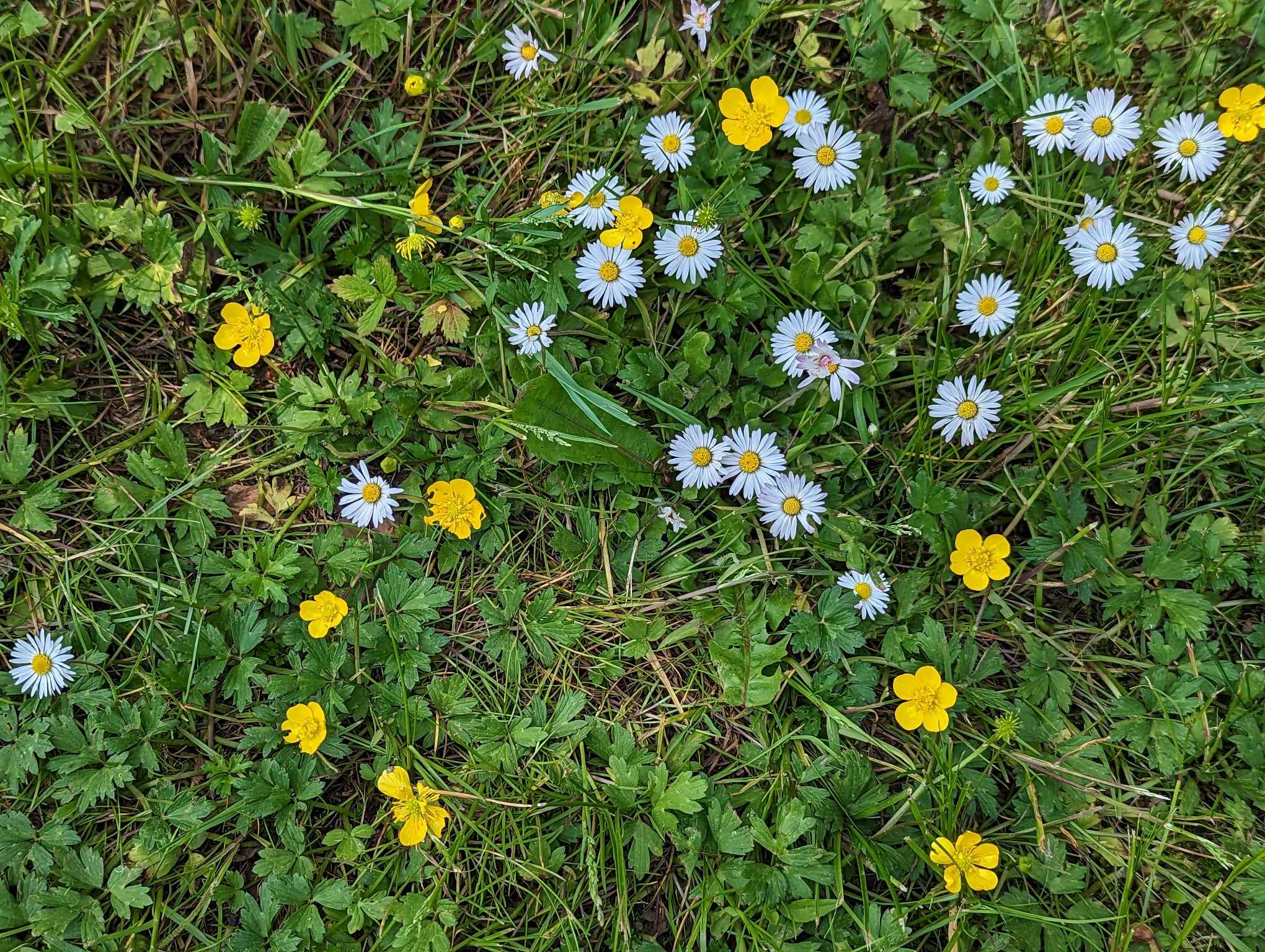
Buttercups are such cheerful little flowers, bright yellow polka dots in a patch of green. When we find them along the way, we smile and point them out, “There’s a buttercup!” Perhaps it’s the memory of our childhood that makes us smile. Often as children we’d pick a buttercup, hold it under someone’s chin, and look for a yellow spot to appear. This supposedly revealed if they liked butter or not! Usually they did. (There’s a scientific reason the buttercup reflects yellow on a person’s chin, but I won’t go into that. It’s more enjoyable to remember the fun of the game.) Buttercups are one of God’s wildflowers. They seem to randomly appear. This summer there seemed to be an abundance of them. I saw several fields full of them!

Look how the wildflowers grow!
–Matthew 6:28(GNT)

Daisies are another happy flower! Not as colorful as a buttercup, this simple, unassuming flower still gets our attention. They, too, remind us of our youth. Most of us have plucked the petals off a daisy saying “He loves me, he loves me not, he loves me…”, hoping for a positive outcome. Perhaps that is why the daisy is often associated with hope.

Like the buttercup, daisies are wildflowers planted by God, but we also find them in gardens and bouquets, domesticated and trimmed. I received a pretty potted daisy plant as a Mother’s Day gift this year. Flowers are often used to express ideas and feelings. For instance, we all know that a red rose means “I love you!” I discovered the daisy can symbolize many different things, one of which is hope. It also represents new life and rebirth. I am reminded of that little saying, “fresh as a daisy”. Did you know, that similar to sunflowers, daisies close up at night and open in the morning to the light of the sun? They wake up ‘fresh as a daisy’!

In the Sermon on the Mount, Jesus told us to “Consider the lilies of the field, how they grow.” Some newer translations replace the word ‘consider’ with look or see, but that word ‘consider’ implies more than just seeing. It means think about what you see! I appreciate Young’s Literal Translation of this phrase. “Consider well the lilies of the field; how do they grow?”

I am reminded of a poem by Alfred Lord Tennyson:

Flower in the Crannied Wall

Flower in the crannied wall,
I pluck you out of the crannies.
I hold you here, root and all, in my hand,
Little flower–but if I could understand
What you are, root and all, all in all,
I should know what God and man is.

The little flower that Tennyson held in his hand turned his thoughts toward God. When we think of God revealing Himself in nature we are inclined to think of the big things. Mountains and valleys, sunsets and starry skies, oceans and rivers and waterfalls. These all do reflect the mighty Creator, but God is glorified in the little things as well. That sunny speck of a buttercup and the daisy that encourages us to hope also point us to God.

Do you feel small in a world of bigger things? Do you struggle with feelings of insignificance? Do you think you are unimportant? No matter who you are or where you are, you can be useful to God!

I am content to fill a little space if God be glorified.
–Susanna Wesley

If you would like to be notified of my future posts, please subscribe below:

Kindness is Nice

I recently traveled from Buffalo, NY to Vegas for a two week visit with my children and granddaughter who live there. It had been a year and a half since I had seen my three year old granddaughter, so I was extremely happy when she seemed to remember me and was excited to see me. Of course, the video chats we did through out the year probably helped her to recognize me, but it was a good feeling to see her enthusiasm at my presence.

Frequently during my stay, she would tell her parents, “I’ll help Grandma.” This usually meant she wanted to push me around in my wheelchair. This is a common occurrence among my younger grandchildren. But what I appreciated was her sweet sentiment and sincere desire to help me. It made me feel good and loved and special. She was being kind to me and kindness is nice.

Traveling can be difficult for someone in a wheelchair. I have learned to think ahead and plan accordingly. What arrangements need to be made? Is the place wheelchair accessible? What are the bathrooms like? And in some cases, will my wheelchair even fit through the door?! Thankfully, most places are handicapped compatible, but even then sometimes extra help is needed. And I have so often been blessed by the kindness of strangers. Many times doors will be held open for me. People will often defer to me and allow me to pass them or go ahead of them. If I am struggling to reach the paper towels in the ladies restroom, someone inevitably will come to assist me. These simple gestures of kindness bless me.

On this most recent trip I became more aware of all the kindness shown to me and realized there are a lot of nice people in this world. I was eating a dish of melting chocolate ice cream when I realized I had no napkins. This was at the Grand Canyon and we were seated quite a distance from the crowded shop where the ice cream was purchased. So when I asked the family if there were any napkins, the answer was no, and no effort was made to get some. I was startled a few minutes later to have a gentleman hand me several napkins! He overheard my plight and got them for me! How thankful I was as, just as I predicted, my ice cream spilled over the edge of the dish and landed on my lap! But because of the kindness of this stranger, my lap was now covered with napkins.

Airports and airlines are very handicapped aware and friendly. They do all they can to assist those with special needs. The airline I usually fly with has open seating, meaning there are no assigned seats on the plane. Because of this they arrange for the disabled to board first with whatever help they need. Sometimes there can be a silent jockeying among those in wheelchairs to be nearest the front so they can be the first to board. I was beginning to park my wheelchair next to a lady also in a wheelchair at the end of the line, when she motioned me to an empty space that was two or three spots ahead of her. I was amazed! Why didn’t she go there herself? Perhaps she saw my need was greater than hers. (She was in an airport wheelchair signifying she could walk some, whereas I was in my own wheelchair and cannot.) Because of her kindness, I was indeed one of the first to board.

When it came close to the time to board, I was puzzled by the arrival of a young man in the section marked for the disabled. He had no trouble walking and I couldn’t figure out what he was doing there. Someone was with him who I assumed was a friend and was helping him figure things out. So I thought it must be his first time flying and he didn’t know what to do. But after his ‘friend’ left, he got a little pushy and actually tried to head for the open gate before we were even told we could board! I began having some unkind thoughts. Boy, does he feel entitled! What’s so special about him?! Doesn’t he see all these wheelchairs?! Who does he think he is anyway?! I became even more perturbed when they actually allowed him to board first!! When they got me on the plane and I awkwardly maneuvered myself (with the help of my son) to a seat, I found myself next to that very young man. I didn’t say a word and neither did he. He was busy on his laptop. When the flight attendant came around to take orders for something to drink, she didn’t speak to him, but simply held up a menu for him to see. He was oblivious to it as he was intent on what he was doing. And then I knew. He was deaf and lived in a silent world. So I gently touched his arm to get his attention. We had several of these ‘touching’ moments during the flight and I was rewarded with a big smile from him as he left the plane. But I am ashamed of the unkind thoughts I had entertained. If I had not sat next to him, I would have never known the truth and the unkind thoughts would have remained. Kindness begins in the mind.

Everyone you meet is fighting a battle you know nothing about.
Be kind. Always.
–unknown

Kindness is defined as “being friendly, generous and considerate.” I like what the Bible tells us: “Don’t be selfish; Don’t try to impress others. Be humble, thinking of others as better than yourselves. Don’t look out only for your own interests, but take an interest in others, too. You must have the same attitude that Christ Jesus had.” (Phil 2:4,5) This is kindness!

We need to be kind to each other, because kindness is nice.

If you would like to follow me and be notified of my future posts, please subscribe below:

Call of the Wild

My daughter and her family love the outdoors. From the first year they were married, she and her husband have gone camping annually. Sometimes in a tent, sometimes in a rough and rustic cabin, and usually at the Allegany State Park in New York. They enjoy hiking and biking, and nights by the campfire. Their two children grew up loving it, too. Now April and Jonathan include me in their adventures. They have accommodated me by renting a handicapped compatible cottage with all the utilities including an indoor bathroom!

One of the things we really enjoy is looking for wildlife. We take long rides and pleasant walks to see what we can see. This year we were blessed with the sight of many deer including a fawn, a few wild turkeys, a fox, a few hawks, a turtle, an unusual little black animal we didn’t recognize and an abundance of ground hogs (I call Allegany State Park “ground hog heaven”). We were hoping to see a bear (from a distance and in the safety of the car!), but that just didn’t happen.

It is especially exciting when the wildlife comes to us! We brought some of our potted flowers with us so they wouldn’t die while we were gone and to decorate the porch of our cottage. We weren’t even settled in yet when I saw a hummingbird enjoying the impatiens at the end of the porch.

It didn’t take the tiny bird long to find them, and a few hummingbirds returned daily to enjoy the flowers. The fragrance beckoned them to come.

One evening as we sat by the campfire, we caught sight of some movement on the porch. To our surprise and delight there was a raccoon checking out the picnic table! I suspect we left some crumbs behind.

Perhaps the most exciting wildlife visitor came because April called it. She has an app on her phone that records the birds we hear and identifies them as we listen. It also plays the sounds of particular birds we might want to hear and know. In the mornings as we sat on the porch drinking our mugs of tea and coffee, we enjoyed the sounds of all the different birds and discovering who was who. One morning April used her app to play the sound of a redheaded woodpecker. In no time at all a very large bird came swooping past the porch. The wingspan of that huge woodpecker was amazing and beautiful! He settled at the top of a nearby tree before flying away. I am certain he was disappointed to find there was no other woodpecker in the area. Reminds me of an old proverb my mother used to quote: “Birds of a feather flock together.” He came looking for a friend.

As I was thinking about the wildlife that came to our campsite, I realized that what we put out affected what we got. Without those flowers we would never have enjoyed the hummingbirds and the call of a woodpecker brought us an amazing experience.

And such is life. What we put out affects what we get! Certainly we can’t control all the circumstances of our life, but what we do and say certainly affects them. Simple things like dressing properly and speaking clearly can affect the outcome of a job interview. How you respond to a hurt or a tragedy can determine how your future might be. In the heat of an argument you could lose a friend by what you say or you can remember the wisdom of the proverb: “A soft answer turns away wrath.”

It’s a bit of the sowing and reaping principle. Or as some people say: “What goes around comes around.” What we put out affects what we get.

My experience shows that those who plant trouble and cultivate evil will harvest the same.
–Job 4:8

So be careful what you put out there! When we arrived at our reserved campsite, one of the papers April and Jonathan had to sign was concerning the bears. They had to acknowledge that they would keep all their food stored inside the cabin. Not even food in closed containers or coolers could be left outside on the porch. Why? Because it would be an open invitation to any bears in the vicinity to come and get it! If you don’t want bears in your campsite, don’t put it out there!

If you would like to be notified of my future posts, please subscribe below.

Remember…

What is your earliest memory?

My brother had a great memory. Jesse could remember back to when he was only three years old. (Maybe even younger!) Oh, how he loved to reminisce! At our family gatherings or in general conversations, it wouldn’t take long before Jesse would begin a sentence with “Remember…” And what joy he had in the telling! It was always accompanied with his boisterous laughter.

My earliest memories take place at around the age of five or six, and they are centered around a cat. I wanted a kitten and decided to pray for one. (I also told my mother I was praying. I guess I wanted to cover all possibilities!) I remember so clearly walking into the kitchen one evening and finding everyone just sitting there grinning at me. It puzzled me until I saw a box in the corner with a tiny ear sticking up over the edge! My first answered prayer! I named the little tawny kitten, Taffy. My next memory is of my grandfather and me sitting on the front porch with the kitten on his lap. He picked it up and pretended to pull and twist it. When I reacted, he said, “Didn’t you say it was Taffy?” I giggled. I have one more early memory of this cat. I was walking next door to meet the neighbor boy to walk with him to the school bus stop. It was the first day of school and I was in second grade. He was younger than me and I was supposed to help him. But on the way, I discovered my cat stuck in their white picket fence. Lifeless. What a gamut of emotions those memories hold! Joy, laughter, concern, sadness and sorrow.

Memories are like that. They come with all kinds of feelings and we can react in so many different ways. The way we live affects our memories and, likewise, our memories can affect the way we live. Some memories hurt. Painful memories can lead us to regret or to resentment while happier moments can cause us to remember with rejoicing. Memories are our very own personal history. Perhaps we can learn from them and use them to reconsider who we are and how we live.

Remembering is a good thing. This is why we take pictures, buy souvenirs, write in journals and keep diaries. This is why we erect statues and setup memorials. This is why we celebrate holidays and establish traditions. Memorial Day was established a few years after the American Civil War to honor and remember the many men who died in that horrific war. We now remember all the men and women who have sacrificed their lives in the line of duty. It has also become a traditional time to place flowers on the graves of those we have loved and lost. When we lose a loved one, all we have left are the memories.

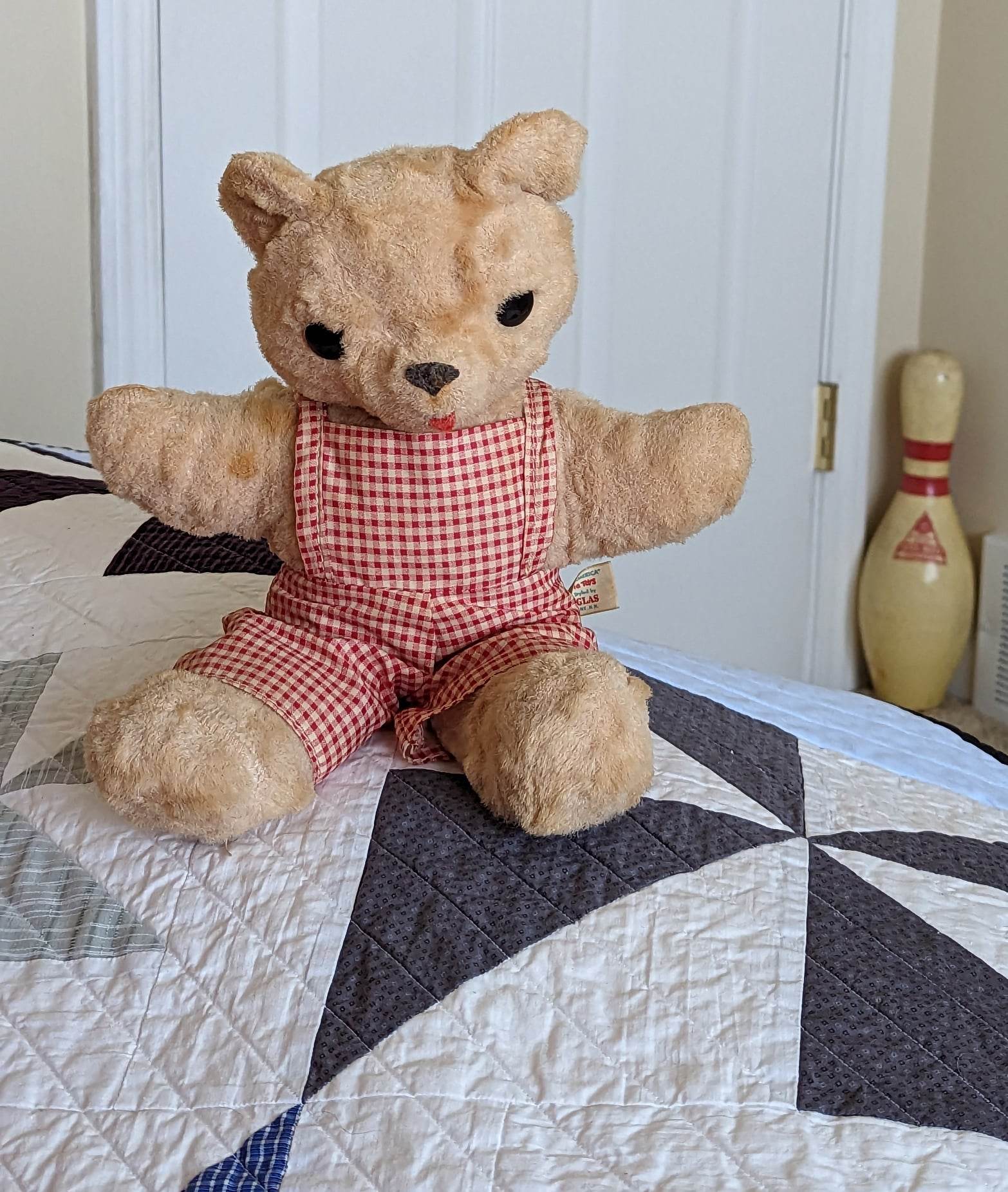
My room is full of memories. My husband is no longer with me. Since his death, I dwell with the memories. I have the first gift he ever gave me, a teddy bear named PG. I have a trunk at the foot of my bed filled with our love letters and photo albums. The trunk is covered with a quilt made out of his shirts. A bowling pin stands in the corner. Pictures surround me. Is this a good thing? It all depends on the day and on me.

When pain is over, the remembrance of it often becomes a pleasure.
–Jane Austen in Persuasion

As I am getting older I find myself spending more time remembering. My memories are becoming more important to me and are very vivid. But this concerns me as I don’t want to live in the past! I want to appreciate it and learn from it, but I don’t want to stay there. I want to live in the present and look to the future. The Bible teaches this balance in remembering. Often in Scripture we are called to remember what God has done for us, even through memorials and celebrations, yet Paul tells us in Philippians 3:13 that he is “forgetting the past and looking forward to what lies ahead.” We should do the same. It means we remember, but we still move on.

Memories are a wonderful blessing. They are meant to be treasured and shared. This is why, when we get together, we like to remember our past and share our stories. What are some of your favorite memories? How are you handling those painful ones you would like to forget? Do you have embarrassing memories you have learned to laugh at? Are there any memories you would like to share with me? Please do! Memories can be used to encourage one another and to bear each other’s burdens. If you have a special memory you would like to share, just leave a comment. It will be a blessing to me.

I remember the days of old. I ponder all your great works and think about what you have done. –Psalm 143:5

If you would like to be notified of future blogs, please subscribe below:

My Mother and The Whale

My daughter has just become a grandmother. Her daughter Eva Marie (my oldest granddaughter) gave birth to a beautiful baby girl just a few weeks ago. From the time the announcement was made that a baby was on the way, my daughter made it clear she did NOT want to be called Grandma. I guess she didn’t think she was old enough to be a grandmother.

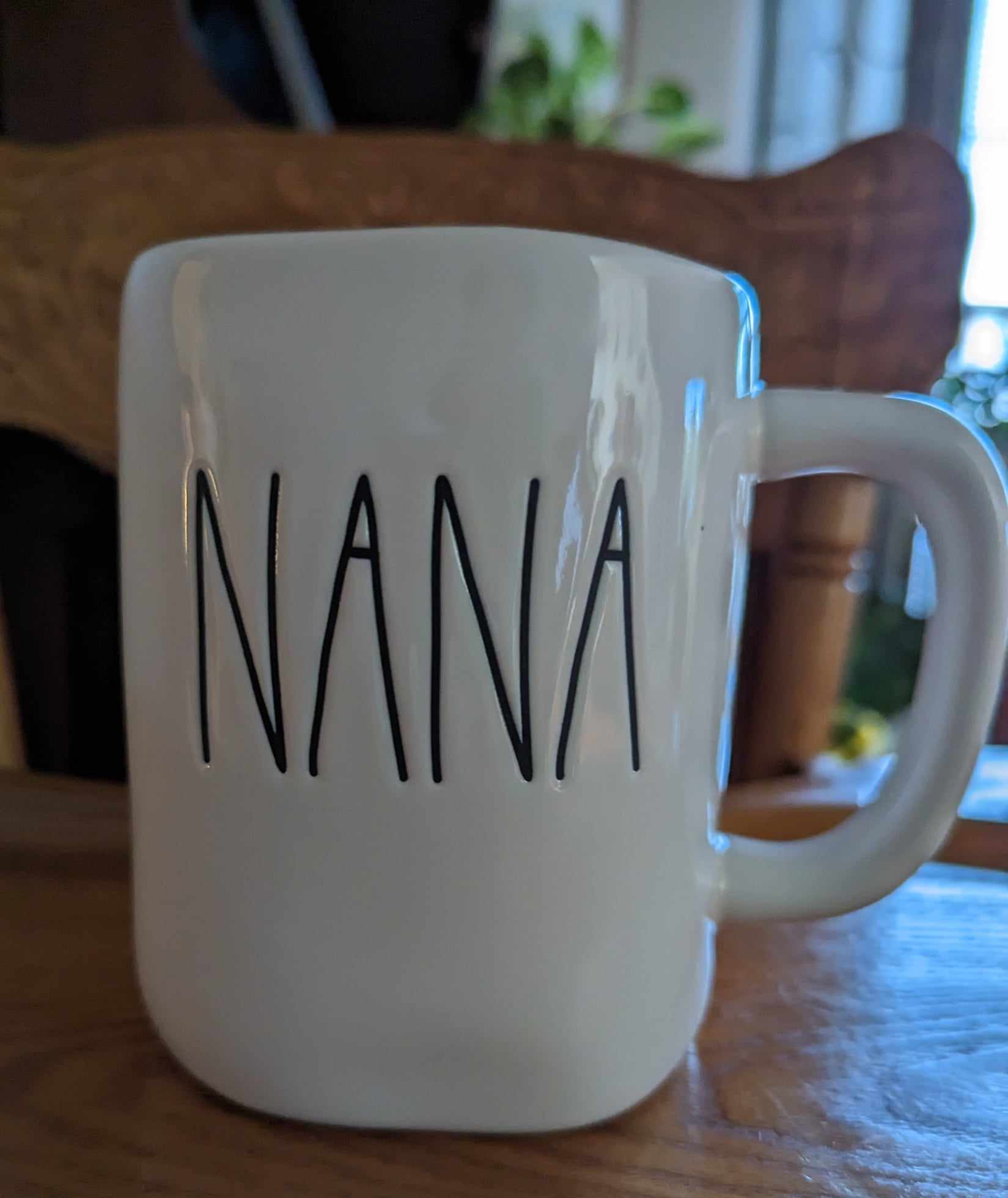
So after much deliberation she decided on Nana. She even bought T-shirts and a mug to make sure it happens. (I have a six year old granddaughter who thinks it’s funny and sings the Batman song when she sees Aunt April wearing the Nana t-shirt.) I don’t mind being called Grandma. It’s who I am! And it’s a name I love to hear. It is quite delightful hearing your grandchild say “Grandma” for the first time. Just don’t call me Granny!

Talk about a moniker that makes you feel old. I picture a granny sitting in a rocking chair, knitting or crocheting, muttering to herself and falling asleep. Or perhaps it’s Granny from the old TV show The Beverly Hillbillies that has me adverse to that title. Now that particular Granny was spunky and feisty, but she looked so old and dressed that way, too. Hair in a bun, long plain dresses and high top work shoes! So I am partial to being called Grandma. Or I was…

My granddaughter Eva Marie was named after two of her great grandmothers, my mother Eva and my husband’s mother Marie. I will never forget the joy my mother expressed when she found out that her great granddaughter was named after her. She literally clapped her hands, grinned and giggled, and declared, “I don’t know how to act! I’ve never had anyone named after me before.” She was adorable. Eva Marie was blessed with a lot of grandmas! Well, two grandmas and a bunch of greats, but all of them were called Grandma. All but one. For some unknown reason, my mother became Granny. A somewhat special name for a very special great grandmother.

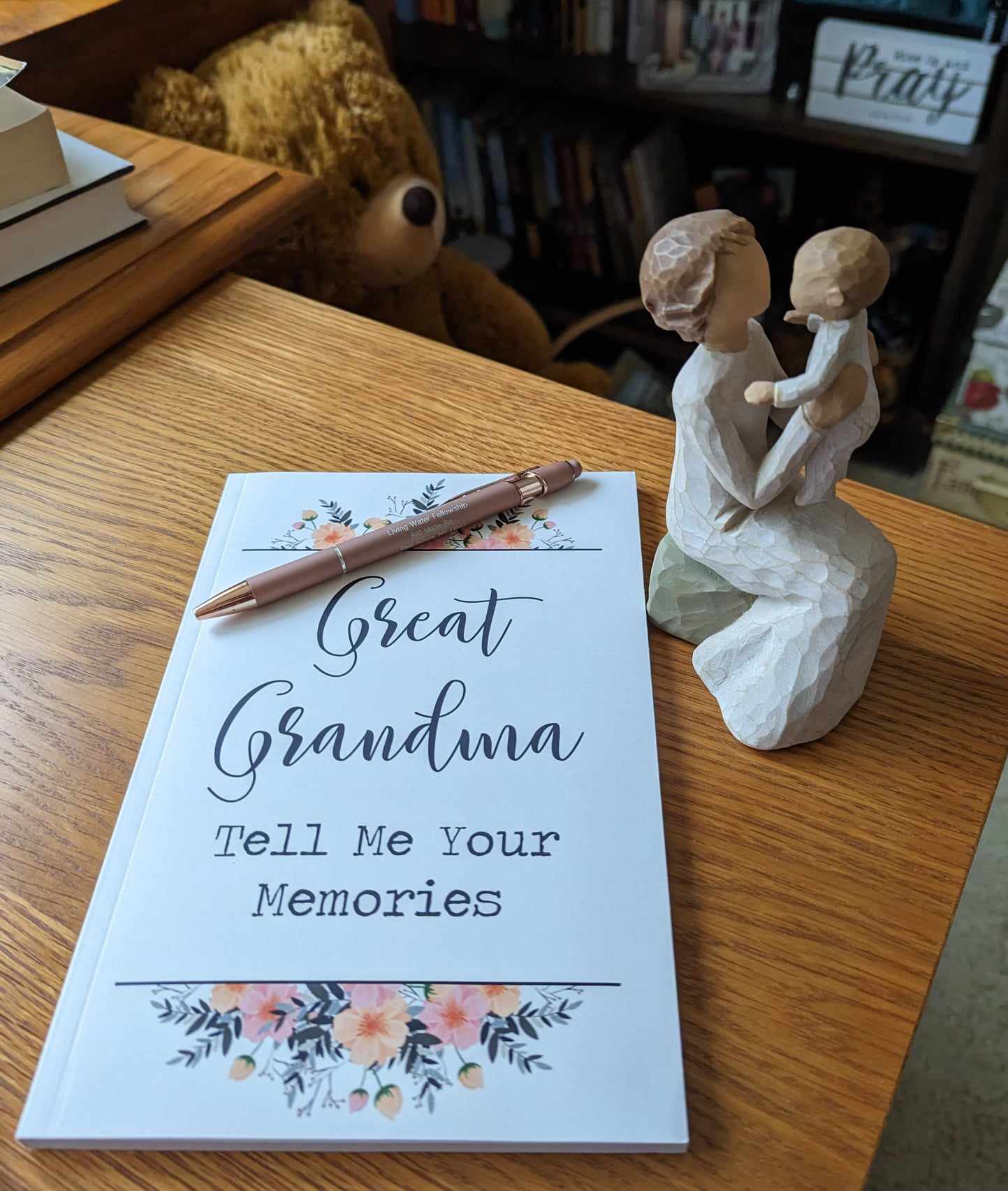
And now I have a great granddaughter. Her name is Willow Jane. She is not exactly my namesake, but we do share the same middle name and I like that. I am hoping that she and I will have a close bond and that I will be a special great grandmother to her. Maybe she’ll even call me Granny!

I recently read about another interesting and special granny. This one was an orca whale! Researchers named her Granny when they observed her taking care of a small baby whale whose mother had died. This very old whale took on the responsibility of protecting and teaching the orphaned whale. ‘Granny’ apparently knew the importance of her role in the life of her ‘grandbaby whale’. -Kirsten Holmberg in Our Daily Bread

Grandparents would do well to follow Granny whale’s example. Becoming grandparents isn’t just a sign that we are getting older. It is a joy for the present and a hope for the future. Proverbs 17:6 says it well, “Grandchildren are the crowning glory of the aged.”

It is also an opportunity and comes with responsibility. We can influence our grandchildren (and our great grandchildren) for good or for evil. We need to speak into their lives whenever and however we can. We can do this by sharing memories, telling our stories, praying for them and with them, and by being a strong support to them when they need it. Sometimes the best thing a grandparent can do is to listen. Most importantly, we need to tell our grandchildren about the God who created them and loves them!

Now that I am old and gray…O God, let me proclaim your power to this new generation, your mighty miracles to all that come after me.
–Psalm 71:18

So…as I think about my mother and the whale, and their example, maybe being called Granny wouldn’t be so bad after all.

If you would like to follow me and be notified of future blogs, please subscribe below.

Mothers, Memories, and Misery

Mother’s Day can be a conundrum.

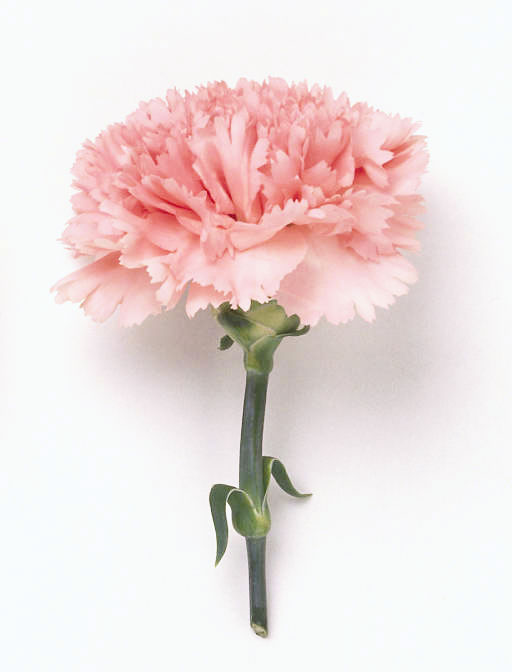
I remember as a young mother looking forward to Mother’s Day. I had the sweetest little girl who was the perfect baby and I considered myself a good mother. I was especially looking forward to being honored in church and receiving my single carnation. (The carnation has become the traditional and official flower of Mother’s Day. The founder of this special holiday, Anna Jarvis, chose it because it was her mother’s favorite flower.)

I ended up with four children and never grew tired of their handmade cards and gifts. Now that my children are adults I get gorgeous flowers, beautiful cards, and fancier gifts. I still appreciate Mother’s Day and still enjoy the Sunday morning recognition. However, with time I have become more aware. In my younger years of motherhood, I was oblivious to what other women might be feeling. I was focused on my own joy. But when I became a pastor’s wife, things changed. Women and girls felt free to share their stories, problems and concerns with me. And that included the hurt some felt on Mother’s Day. Women who longed to have children of their own, but did not or could not, endured much sorrow during the Sunday morning celebration in church. At first my reaction was we still need to honor those who are mothers. They deserve it! In time, however, we began to honor all the ladies in the congregation, including those who weren’t mothers, by recognizing their influence on the children of the church. But I wonder if that eases the pain at all or whether it simply reinforces their emptiness.

This is the time to apply Romans 12:15- “Rejoice with those who rejoice [sharing others’ joy] and weep with those who weep [sharing others’ grief].” And this goes two ways. The one who is hurting must look beyond their sorrow to enjoy the blessings of others, but the one being honored needs to be cognizant of the pain others may be experiencing.

…in humility value others above yourselves, not looking to your own interests, but each of you to the interests of the others.
–Philippians 2:3,4

I had a good mother. She was a sweet woman who worked hard, loved God and lived a simple life. She taught me by example. By doting on my father, she taught me to not only love my husband, but to respect him as well. I often discovered her on her knees at the living room sofa in prayer. I knew then that prayer should be a part of everyday life. Some of our best times together were when we did the dishes. She washed and I dried and we talked. She loved me in many ways. I remember sitting on her lap even as a teenager. Once I stuck my tongue out at her; she slapped me and I never did it again. That was love, too, as well as a teaching moment. She was a good cook and made wonderful breads and pies. She made the best peach pie ever!! She tried to teach me to make pie crust, but I didn’t have her touch. I never was able to do it even though she showed me over and over again. She was not overly affectionate, but after I got married and moved 5 hours away, she couldn’t seem to hug me hard enough whenever I came home to visit. Even as an adult, I was her “little princess.” Precious were the times we shared tea together. I miss her.

But not everybody has a good mother. How do they feel on Mother’s Day? Angry? Hurt? Bitter? Forsaken? What can be done about their misery? Anything?? One thing we can do is listen to their pain. We can also offer them hope through prayer and by showing them compassion and understanding, pointing them to the “God of all comfort”.

We are familiar with referring to God as our Father, but there is a motherly side to God as well. There is a powerful verse that really deals with the issue of abandonment. God declares, “Can a woman forget her nursing child and not have compassion on the son of her womb? Surely they may forget, but I will not forget you!”-Isaiah 49:15 What a blessed reminder to those who have been neglected! In the New Testament, God even compares himself to an old mother hen! He wants to gather us to himself “as a hen gathers her chicks under her wings.” What comfort we can find there!

When my father and mother forsake me, then the Lord will take care of me.
–Psalm 27:10

There are other sorrows that can cause us pain on Mother’s Day. The death of a mother or the loss of a child, a forgotten mother neglected and alone, a prodigal son or a runaway daughter. Sad reminders that life isn’t always perfect and sometimes we find ourselves in a place of misery. But we can find hope in God and encouragement from one another.

I am reminded that we can “carry grief and joy at the same time.”-Jamie Erickson in Holy Hygge. By caring for each other we can share one another’s hurts and help them through what might be a difficult time. Likewise the joy another feels can lift our spirits when we are struggling with grief.

Don’t be afraid to hug someone. It can do wondrous things!

If you would like to be notified of my future blogs, please subscribe below:

What’s in your cup?

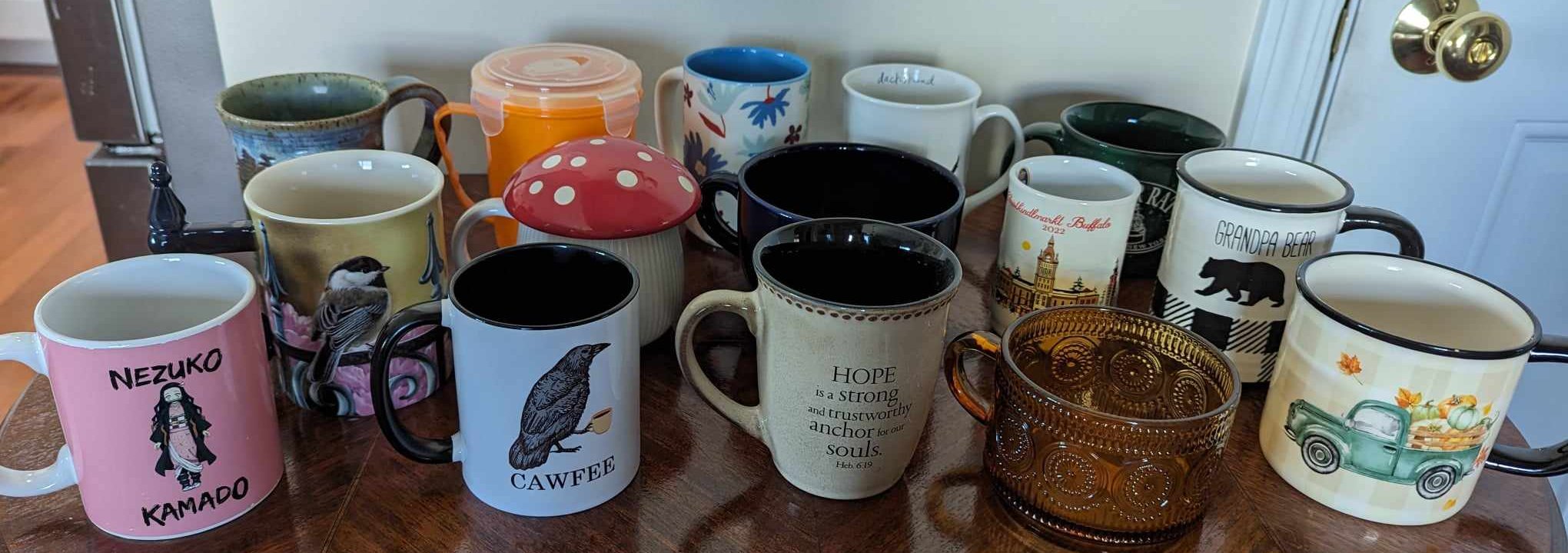
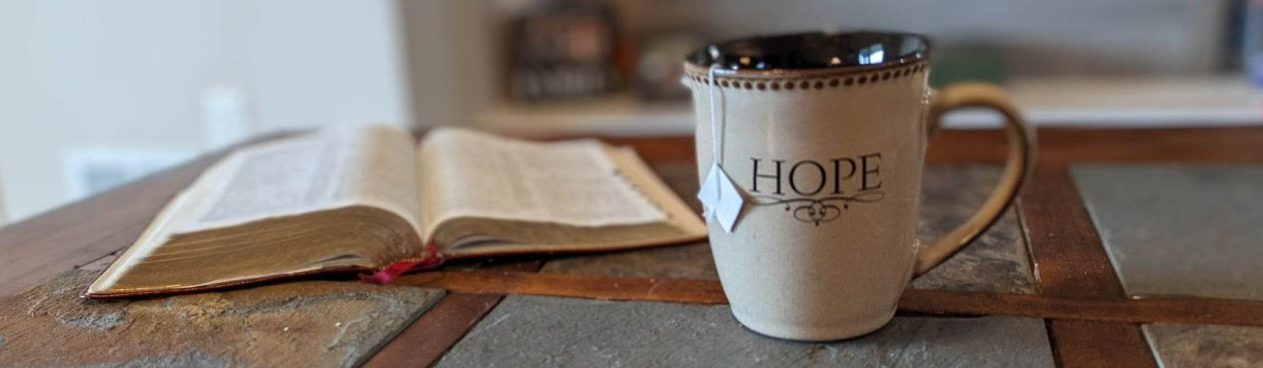
I found a “mug of hope” on Amazon! I saw it several months ago, but debated with myself about buying it. I finally gave in and it arrived this week. It’s such a fitting mug for this blog, don’t you think?

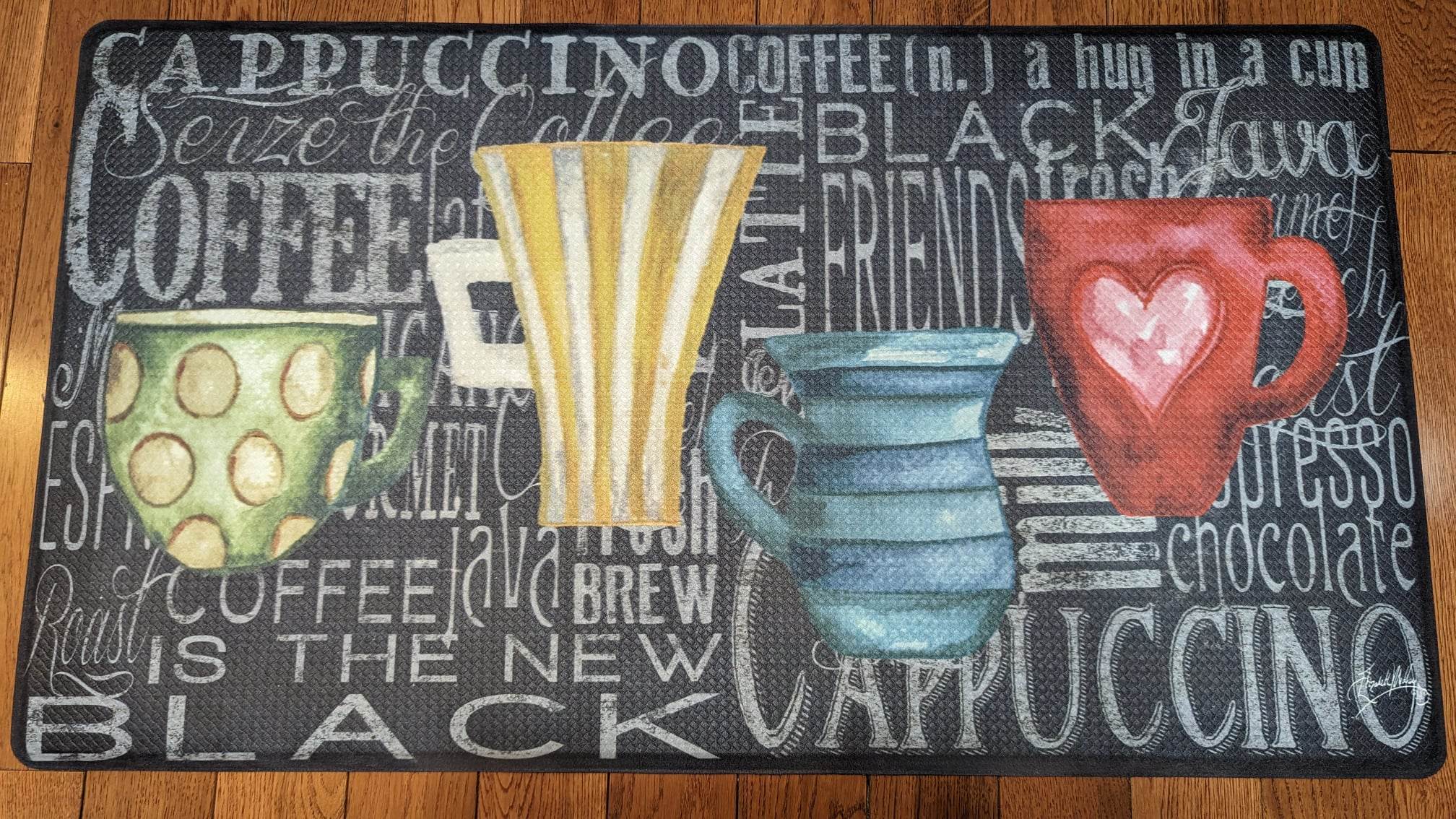
I suspect, however, that this mug is intended for coffee drinkers. People who enjoy the taste of coffee can’t seem to start the day without it! I have tried coffee a few times and I just don’t understand why people like it so much. As for me, I’ll stick with tea! Perhaps I should give my new mug to my daughter. She loves her coffee. She is such an avid fan of coffee that it makes up much of her kitchen decor. She recently bought a new mat for her kitchen floor:

It’s all about coffee! Not one word about tea. But I do like those big mugs! What really got my attention, however, is the definition of coffee in the upper right corner. “Coffee: a hug in a cup”. If that’s true, no wonder people like it so much. So I began to wonder. What’s in your cup? Are you a coffee or tea person? Or perhaps you prefer mugs of hot chocolate, warm milk or hot cider. I know someone who occasionally likes a cup of just plain hot water.

My youngest granddaughter came to visit me recently. She’s only two and loves to pretend. I have a set of toy dishes that she enjoys playing with. On this particular occasion she was sharing cups of … something … with me. The little cups, of course, were empty. We were pretending. The fun thing about pretending is we can put anything in our cup that we want to! I can even drink bitter coffee when it’s pretend! So we fill our cups with imaginary beverages and ask each other, “What’s in your cup?”

If you’re on the older side of life (like me) and attended Sunday School as a child, you might remember singing this little chorus complete with hand motions:

🎶 Running over, running over,
My cup is full and running over.
Since the Lord saved me,
I’m as happy as can be!
My cup is full and running over.
🎶 🎶 🎶 🎶

This children’s chorus is based on a verse from Psalm 23: My cup runneth over. The verse refers to the many blessings from God and the overflowing joy we have because of Him. I like the promise Jesus gives in John 15:11: I have told you these things so that you will be filled with my joy. Yes, your joy will overflow! (I encourage you to read the previous verses of John 15, so you can know what it was Jesus told them.) But the truth is we’re not always overflowing with joy, are we?

Sometimes we have other things in our cups, in our hearts, in our inner beings. The Bible encourages us to be filled with joy and peace, with love and hope, with goodness and righteousness. Instead we struggle with sorrow and grief, with fear and doubt, with anger and bitterness. These things seep into our hearts and replace the joy we should have. This is why Proverbs 4:23 tells us to keep our hearts with all diligence. Be careful what you put into your cup!

But we do have help! Look at this verse! Read it and read it again.

I pray that God, the source of hope, will fill you completely with joy and peace, because you trust in him. Then you will overflow with confident hope through the power of the Holy Spirit.
–Romans 15:13

This one verse is packed full of encouragement! We can get help filling our hearts with good things by turning to the very source of hope, by trusting Him, and by relying on the power of the Holy Spirit! We can’t do it ourselves, but He is more than ready to help us. I am reminded of a line from an older chorus we sometimes still sing. “Fill my cup, Lord. I lift it up, Lord!”

I ask you again, what’s in your cup? If you are struggling with negative thoughts and despondent feelings, the Lord can fill your heart with His goodness until your cup is full and running over!

If you would like to receive notifications of future blog postings, please subscribe below:
Easter Dresses and New Clothes

I recently went shopping with my younger daughter. This is the daughter that has three children under the age of six. The purpose of this exciting shopping trip was to find Easter dresses for the two little girls. What fun we had exploring the racks of pretty dresses, deciding which dress and what color looked the best on each girl, and attempting to keep the girls calm and quiet in the process. The trip was a success! We found a cute outfit for the baby as well. As I enjoyed this chance to go shopping with my grandchildren, I wondered about this tradition of buying new clothes for Easter. When my children were little we bought the girls new dresses, sometimes complete with Easter bonnets. And even after they were grown and out of the house, my husband liked to make sure that I had a new dress for Easter Sunday. (I didn’t complain!) But when did this tradition start? Is it just an American custom? What is the story behind buying Easter dresses?

The American tradition of buying Easter dresses was actually more popular years ago and especially in the South. They were primarily pastel colors or with floral designs and came complete with bonnets and white accessories. It was a picture of the arrival of spring. In 19th century America it was part of social status as well as religious propriety. But the actual source of this tradition goes way beyond this American custom.

In earlier times some saw it as a promise of good luck. A 15th century proverb declared that if you didn’t wear new clothes at Easter you would certainly regret it: “At Easter let your clothes be new; or else for sure you will it rue.” But the concept of getting new clothes has its origins in Christianity. It is said that early Christians wore new white linen after their baptism to represent their new life. It also became symbolic of the resurrection of Christ. Later the Roman Emperor Constantinople made a decree that the members of his court should all wear new clothes on Easter. “Eventually, the tradition came to mark the end of Lent, when after wearing weeks of the same clothes, worshipers discarded the old frocks for new ones.” (Quote from article Why We Wear New Clothes on Easter by Lily McCAllister)

And that reminds me of a little chorus my father-in-law used to sing:

I’ll tell you the best thing I ever did do,
I took off the old coat and put on the new!
The old coat was dirty, all tattered and torn.
The new coat was spotless, had never been worn.
I’ll tell you the best thing I ever did do,
I took off the old coat and put on the new!

My father-in-law was a happy man. We remember him as always smiling and always singing! The chorus above was a peppy little tune that made you want to sing along. And we often did! Obviously this song is not about a literal old coat, but what does it mean and why did Dad sing it so often? Alfred grew up in a poor section of the city in a rough neighborhood. His father was an alcoholic and drunkenness was common in the home even among his siblings. But Alfred did not succumb to that kind of life. How did he do it? He developed a relationship with his Heavenly Father that enabled him to be a different person. He put off the old life and put on the new!! And it was the best thing he ever did do!!

The Bible itself encourages us to put on new clothes. If you need something new for Easter, check out this Scripture shopping list:

Clothe yourself with the presence of the Lord Jesus Christ -Romans 12:13

Clothe yourself… with the beauty that comes from within, the unfading beauty of a gentle and quiet spirit, which is so precious to God -1 Peter 3:4

–Clothe yourself with tenderhearted mercy, kindness, humility, gentleness, and patience -Colossians 3:12

–Above all, clothe yourself with love -Colossians 3:14

Back to the story of my father-in-law, I need to add and conclude with the fact that Alfred’s father also came to have a relationship with Jesus Christ. He was 75 years old when he gave up his old life and clothed himself with something new! You’re never too old for new clothes!

For you are all children of God through faith in Christ Jesus. And all who have been united with Christ in baptism have put on Christ, like putting on new clothes. –Galatians 3:26,27

If you would like to be notified of my future posts, please subscribe below:
One Little Bud

I have a Christmas cactus on my desk. Technically, it’s a Thanksgiving cactus. You can tell by the shape of the leaves and, of course, that’s when it blooms. At least, it did this past Thanksgiving. The plant was flourishing and produced some beautiful flowers. I was so pleased with it I took a picture.

I am not good with plants. I have a reputation for killing them. Even cacti and succulents are in danger under my care. So it was with dismay that I noticed my beautiful cactus beginning to show some symptoms of neglect. The plant itself seemed to be changing its color. No longer green, it was a dark, ugly purplish color. But what really concerned me was how limp and droopy and wrinkly it looked. I was concerned for its life! Isn’t it pitiful?

The cactus depressed me. Sometimes I struggle with sadness and that plant wasn’t helping. But then I saw something that took me by surprise! I looked, and I looked again! I couldn’t believe it! There was a bud. One little bud.

That one little bud gave me hope. Remember the saying, “While there is life, there is hope.” My cactus still had life in it! Maybe it won’t die after all…

And that one little bud lifted my spirit. It spoke to me of hope and life for myself as well. It’s okay to be sad sometimes, but with a little bit of help from those around us and a lot of help from God, we can grow out of it and have a life of joy and contentment.

As my father grew old, he lost much of his physical abilities. He became confined to a wheelchair and struggled with his limitations. He used to say to me, “I have the 3-D’s. I’m discouraged, depressed, and defeated.” I would respond adamantly, “It’s okay to be discouraged and depressed. But you are never, never defeated!” But I understand his struggle.

We all struggle with similar battles. That feeling of uselessness and hopelessness pulls at us and tempts us to despair and to give up. But God desires us to dwell in faith, to have hope in that one little bud.

I am thinking and hoping that the one little bud on my cactus will be in full bloom for Easter. A small, sweet demonstration of new life.

If you would like to follow me and be notified of my future posts, please subscribe below: